Business
How Austin’s Shift to Hybrid Enterprise Is Redrawing the City’s Job and Talent Map
The hybrid work boom and tech sector recalibration are fueling fierce competition and higher wages in Austin’s urban core.
3 min read
Updated 2 h ago
Business
The hybrid work boom and tech sector recalibration are fueling fierce competition and higher wages in Austin’s urban core.
3 min read
Updated 2 h ago
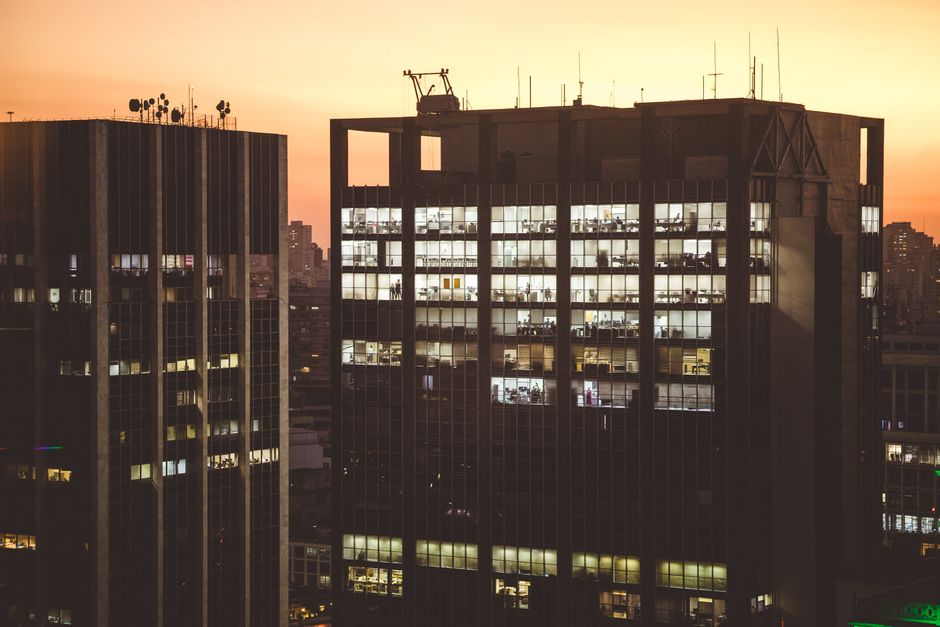
Downtown coworking spaces are booked solid through July as Austin’s tech firms and creative agencies scale back traditional offices, setting in motion a rapid reordering of the city’s job market. The city’s newest hiring hotspots now stretch up from the South Congress corridor to The Domain, as companies vie for talent equipped to thrive in hybrid environments.
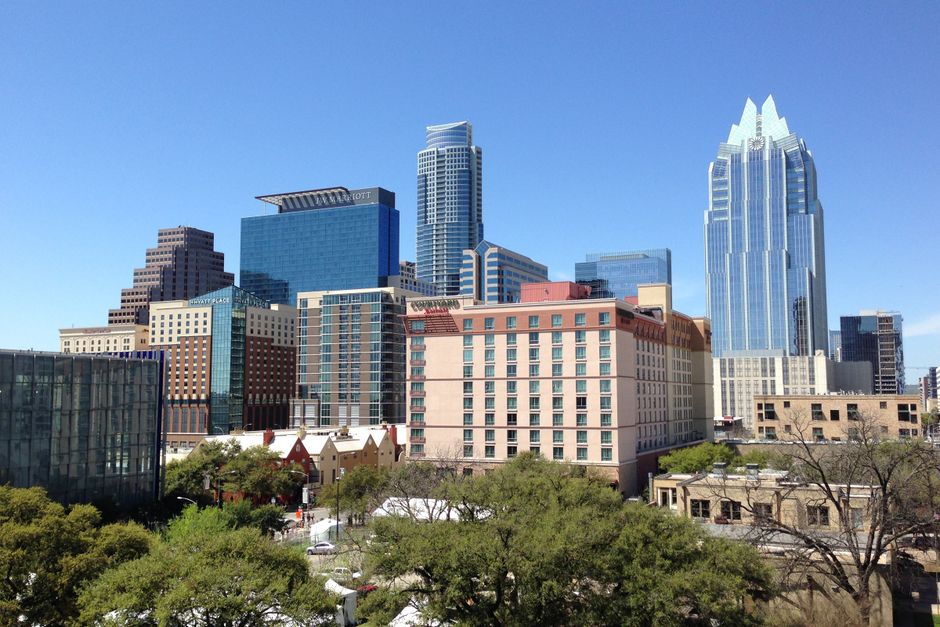
This is not just another corporate experiment. Austin’s fast-evolving work-life landscape—amplified by skyrocketing commercial rents, persistent labor shortages, and the tailwinds of remote work—matters now as the city competes head-to-head with Houston and Dallas for corporate relocations, and with global cities like Berlin, Miami, and Singapore for international talent. For local workers, the location and nature of opportunity are shifting just as quickly as the skyline.
On West 6th Street, tech recruiter Austin Talent Partners has doubled its office footprint since March to handle surging demand from Austin-based firms hiring hybrid and contract staff. Over at Capital Factory in the Omni building, more than 120 startups now rotate in and out monthly, tapping into on-demand workspaces—and a pool of coders and designers who may commute from East Austin’s Mueller neighborhood or dial in from as far as Dripping Springs.
Commercial brokers say Class A office vacancies along Congress Avenue hit 19% in June, as firms swap fixed leases for smaller footprints and monthly coworking memberships. Meanwhile, median asking rents at The Domain’s new workspace towers reached $68.45 per square foot this quarter (up 6% year-over-year, per Cresa Austin), with monthly rates at local provider WeWork Domain Northside now averaging $525 per desk—a record high for North Austin. At the same time, the University of Texas at Austin has reported a 23% jump in applications for its part-time and remote-friendly professional certificate programs since last summer, with fields like AI, cybersecurity, and UX design leading the interest.
It’s not just tech giants playing musical chairs. Austin’s job market has split into two tracks: high-wage, hybrid-eligible talent in digital jobs—and everyone else. Data from the Austin Chamber of Commerce show that while engineering and cloud computing postings grew 22% since January, listings for in-person roles in hospitality and logistics fell by 11%. The result: starting salaries for senior software engineers topped $164,000 as of June, while pay for baristas and restaurant staff on South Lamar held steady or dipped, even as job ads outnumber applicants three-to-one in some sectors.
For young professionals chasing hybrid jobs, competition is fierce. Amanda Lopez, director at local nonprofit Skills For All Central Texas, says their July placement classes filled in nine hours, with more than 400 applicants vying for digital skills upskilling over the summer. Meanwhile, rent for a one-bedroom apartment in the up-and-coming St. Elmo district now averages $1,950 per month—forcing many newcomers to seek roommates or longer commutes to Round Rock or Buda.
For job seekers: the hybrid future is already here in Austin. Recruiters say proficiency with digital collaboration platforms (Slack, Notion, Zoom), and a willingness to jump between office and remote work, are the most sought-after skills citywide. The next wave of startup activity—fueled by UT’s continuing ed pipeline and a resurgent VC scene around North Burnet—is likely to accelerate this reshuffling even further through 2027.
Business
Business
Business

Business
About this article
Published by The Daily Austin
Spread the word
Daily brief
Free, in your inbox before 7am. Weekdays.
The Daily Network — local news across Australia