business
Austin Tech Founder Builds $50M Water-Treatment Empire From East Riverside Startup
Hydra Systems CEO charts path for local water-tech companies as drought pressures grow across Texas.
Listen in English · 5 min
How we reported this
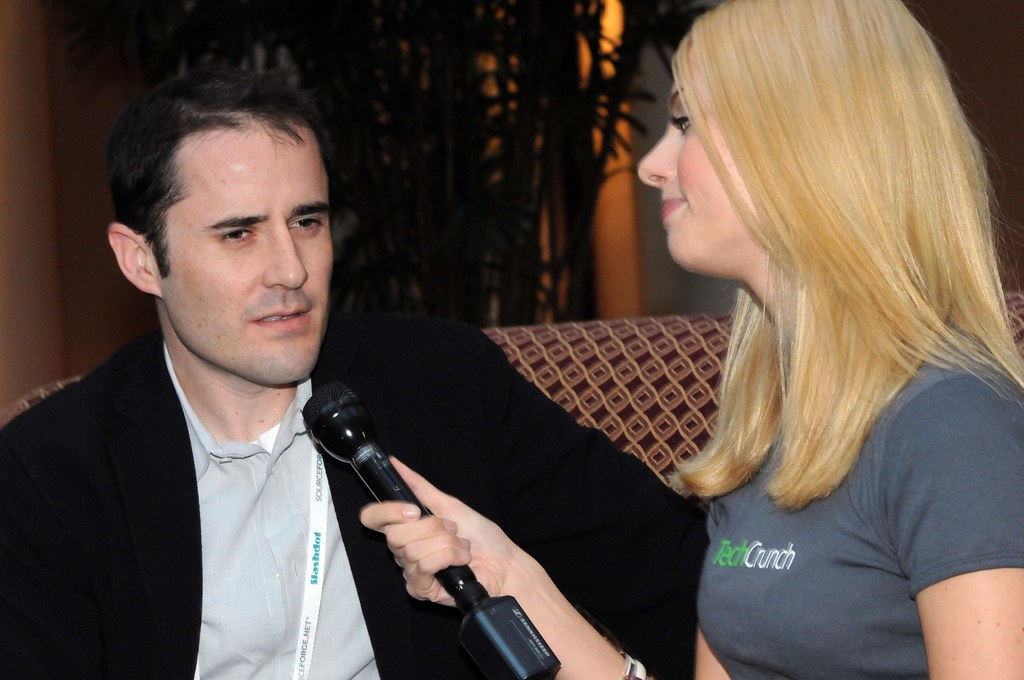
When Hydra Systems moved into a 3,500-square-foot warehouse on Riverside Drive in 2019, the Austin water-treatment startup was burning through cash and had exactly three employees. Seven years later, the company has raised $50 million in Series B funding, expanded to 89 workers across two locations, and landed contracts with municipalities from San Antonio to Dallas that manage water systems serving 2.3 million people combined.
The timing matters. Texas faces its worst water stress in a generation. Lake Travis, which supplies roughly half of Austin's water, sits at 36% capacity, down from the historical average of 55%. Cities across the state are scrambling to upgrade aging infrastructure and find new sources. That desperation has created an opening for companies solving the hardest problems in water logistics.
Hydra Systems specializes in real-time monitoring software that catches leaks in municipal water systems before they waste thousands of gallons. The company's platform integrates with existing pipes and sensors to flag pressure anomalies within 12 hours, a significant improvement over the industry standard of waiting for customer complaints or monthly meter readings. In Austin itself, the city's Water Utility has contracts with six major water-tech vendors, but Hydra Systems landed its first municipal client in 2023-a five-year deal with Georgetown covering 60,000 residents.
Competing for Water-Tech Talent in a Crowded Field
Austin's water-tech sector has grown from a niche corner of the startup ecosystem to something that now commands serious venture attention. The Water Alliance, a nonprofit incubator based at the University of Texas, has backed 34 water companies since 2014, with total valuation exceeding $800 million. That cluster effect-companies clustering near universities and potential customers-has drawn talent and capital that was absent a decade ago. Still, Hydra Systems faces competition not just from other Austin startups but from established players like Xylem and Suez, which have vastly larger budgets and decades of client relationships.
The company's second office opened last month in North Austin near the Domain development, a choice driven by recruitment. Young engineers with water-systems expertise have options. Hydra Systems is offering base salaries starting at $95,000 for junior software engineers and benefits packages that include unlimited paid time off-standard for Austin tech but rare in manufacturing-heavy water infrastructure. The Domain location also puts the company within 15 minutes of UT's engineering campus on Interstate 35, where the university trains roughly 200 civil engineers annually.
The Revenue Model and What's Next
Hydra Systems operates on a subscription model, charging municipalities between $15,000 and $45,000 monthly depending on system size and customization. That recurring revenue stream appeals to venture investors who've grown skeptical of one-time software sales. The company's 89-person payroll costs roughly $12 million annually, leaving aggressive runway for expansion.
The Series B funding closed in May and came from Breakthrough Energy Ventures, an investment firm backed by Bill Gates, alongside earlier backers Collaborative Fund and Techstars. That capital influx signals confidence in the market itself. Nationwide, water utilities face a $645 billion infrastructure backlog over the next two decades, according to the American Water Works Association. Texas alone needs $60 billion in water-system upgrades by 2040.
Hydra Systems plans to hire 35 more people by the end of 2027 and expand into Arizona and California, states where drought has become permanent rather than temporary. The company is also exploring software modules for agricultural water management, a far larger market but one requiring different sales infrastructure and regulatory knowledge.
For Austin entrepreneurs watching from coffee shops on South Congress or co-working spaces in Mueller, Hydra Systems offers a case study in the value of solving local problems with urgency. The company started because one founder watched his hometown struggle with water loss during the 2018 drought. Seven years later, that local frustration has become a $50 million business. That trajectory matters when venture firms and engineers are deciding where to place their bets.