business
Austin Retail Market Shifts as Global Disruptions Reshape Consumer Behavior
Local businesses face rising costs and shifting foot traffic patterns as supply chain shocks and extreme weather events drive new urgency in the commercial real estate landscape.
How we reported this
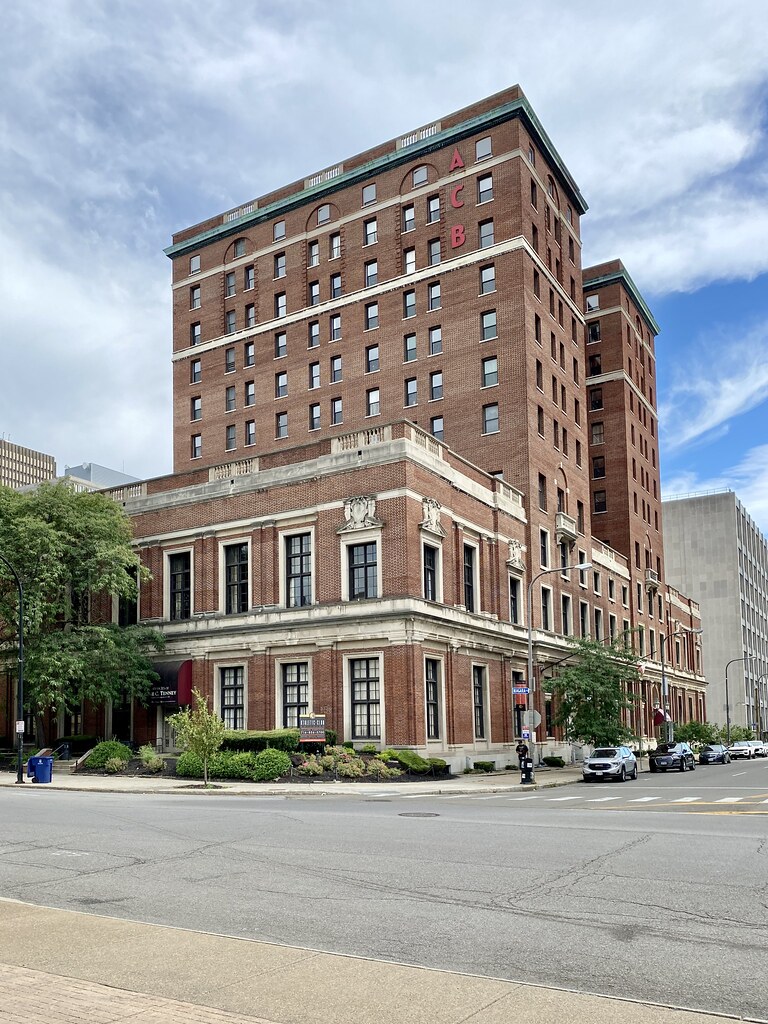
Austin's retail vacancy rate hit 8.2 percent in the second quarter of 2026, the highest level in three years, as storefronts from South Congress to the Domain contend with a slowdown in in-store spending and rising operational costs tied to global supply chain turmoil.
The timing is no coincidence. Typhoons in China, the closure of the Strait of Hormuz by Iran on July 9, and a deadly wildfire in Spain that has killed at least 12 people are all compounding inflationary pressure on imported goods and energy prices. For Austin retailers, that means higher freight costs for everything from electronics to seasonal apparel-and a consumer base that is pulling back on discretionary purchases.
Where the Leases Are Breaking
At the intersection of South Lamar Boulevard and Barton Springs Road, a 3,200-square-foot retail space that housed a home-goods store until March has now sat empty for four months-landlord CBRE is asking $48 per square foot triple net, down 18 percent from its 2024 listing. Further north, the vacancy rate in the Domain's secondary retail corridors has climbed to 11.4 percent, according to a July 10 report from Austin-based commercial brokerage Aquila Commercial.
“Landlords are finally willing to negotiate on rent abatement and tenant improvement allowances in a way we haven't seen since mid-2023,” said a retail leasing director at Aquila Commercial who spoke on condition of anonymity because the firm has not authorized public comment. “But retailers are still nervous about committing to six-year terms when their foot traffic data is this volatile.”
The city's independent shops are feeling the pinch most acutely. On East Sixth Street, the Austin Independent Business Alliance reports that 14 member businesses have either closed or subleased their spaces since January 2026, citing higher wholesale prices and slower weekend sales. The alliance's June survey of 87 local retailers found that 62 percent had reduced inventory orders by at least 15 percent compared to the same period last year.
What Smart Operators Are Doing Now
Despite the headwinds, some Austin retailers are finding traction by leaning into experiential retail and local sourcing. On South Congress Avenue, the outdoor-gear store REI opened a 18,000-square-foot flagship in April 2026 and is already running weekly bike-maintenance clinics that draw 40 to 60 people per session. The store's general manager told The Daily Austin that same-day sales from clinic attendees average 30 percent above the store's usual transaction value.
On the commercial side, the city's first “retail incubator” program, run by the nonprofit Austin Economic Development Corporation in partnership with the Downtown Austin Alliance, launched on July 1. It offers six-month subsidized leases at 50 percent below market rate for new businesses at 400 Lavaca Street and 212 West Fourth Street. As of July 10, the program had received 22 applications for four available spaces-applicants are required to submit a plan for local supply chain integration.
Data from the U.S. Bureau of Labor Statistics, released June 12, shows that Austin's retail employment fell by 1,900 positions between April and May 2026-the largest two-month drop since the pandemic-era closures of 2020. Meanwhile, the city's average retail rent per square foot held at $39.50 in the second quarter, down just 0.5 percent from the first quarter, suggesting landlords are reluctant to cut base rates even as concessions grow.
For business owners planning their next move, commercial real estate advisors at NAI Austin recommend targeting leases of 24 to 36 months rather than standard five-year terms. In a market where foot traffic data is shifting weekly-compounded by the ongoing disruption from the Strait of Hormuz closure, which the U.S. Energy Information Administration warned on July 8 could push gasoline prices in Texas above $4.50 a gallon by August-flexibility is the only hedge that makes sense. The next six months will separate the operators who read the data from those who only feel the heat.