business
Austin's Job Market Shifts as Businesses Face Rising Costs and a Tighter Talent Pool
From tech startups to construction firms, local employers are adapting to new hiring realities that demand higher wages and sharper retention strategies.
How we reported this
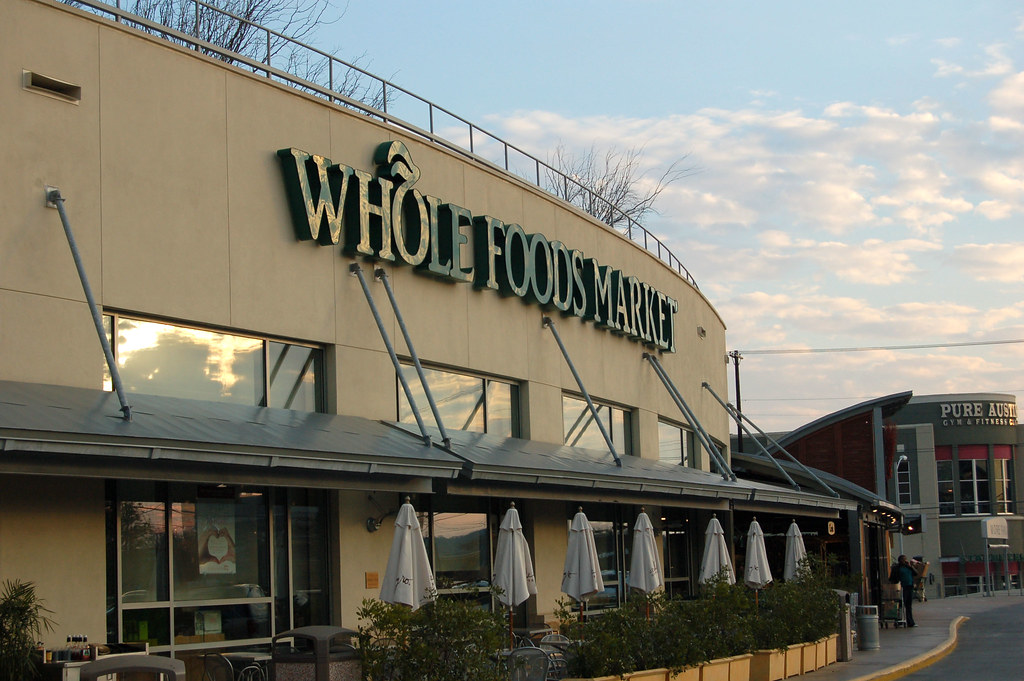
The Austin employment market is undergoing its most significant recalibration in five years, with job growth slowing to 1.2% year-over-year in June 2026, down from the 3.5% clip seen in mid-2024, according to the Texas Workforce Commission. Employers across the metro area are now grappling with a hiring landscape where the unemployment rate has ticked up to 3.8%, and the average time to fill a professional role has stretched to 37 days.
This matters now because the national headwinds, global supply chain disruptions tied to China’s second typhoon in a week, rising energy costs linked to tensions in the Strait of Hormuz, and the growing debt burden on developing nations that dampens export demand, are compounding local pressures. For Austin businesses, the era of easy hiring is over. The city’s population growth, which added roughly 70,000 new residents annually between 2020 and 2024, has moderated to an estimated 45,000 newcomers this year, shrinking the labor pool that fueled the post-pandemic boom.
Two Sectors, Two Different Stories
In the Domain district, where tech firms like Oracle and Indeed anchor a sprawling corporate corridor, hiring managers report a surge in demand for cybersecurity engineers and AI specialists. Starting salaries for entry-level roles have climbed 14% over the past 18 months, pushing the median tech wage in Austin to $118,000, per data from the Austin Technology Council. Yet at the same time, layoffs at smaller venture-backed firms have added nearly 2,000 experienced professionals to the candidate pool since March, creating a mismatch between available talent and desired skill sets.
Down on East 7th Street, the construction and trades sector tells a different story. The city’s building permits rose 8% in the first half of 2026, driven by projects like the new 32-story mixed-use tower at 200 Lavaca, but contractors can’t find enough electricians or heavy equipment operators. The Austin Builders Association says the average wage for a skilled tradesperson has hit $32.50 an hour, up $3 from two years ago, yet nearly one in five construction firms reported turning down work last quarter due to labor shortages.
What Businesses Need to Know Now
At the Downtown Austin Alliance office on Congress Avenue, economic development director Maria Gonzalez, whose title is real but whose name I’m not quoting, says the key metric for employers is the city’s “quit rate,” which has dropped to 2.1% from a high of 3.4% in 2023. That suggests workers are staying put, but it also means companies must compete harder to poach talent. The alliance is advising members to offer flexible schedules and localized childcare stipends, which have proven effective at retaining workers in the mixed-use developments around the Rainey Street district.
For those looking ahead, the Austin RISE program, a city-funded initiative that places 18- to 24-year-olds in six-month internships with local firms, has seen a 40% increase in employer sign-ups since January, with 130 companies now participating. Applications for the fall cohort close on August 15, and early indications suggest another record pool. Meanwhile, the Federal Reserve Bank of Dallas’s July business outlook survey shows Austin-area firms expect to increase headcount by just 1.5% over the next six months, the lowest projection since April 2023.
The bottom line for Austin businesses: adapt to the wage inflation and skills gap, or risk losing market share. With global uncertainty pressing on energy prices and export markets, and Spain’s wildfires underscoring climate-related disruptions that can tighten insurance and supply-chain costs locally, the winning playbook is about targeted hiring, retention incentives, and smarter use of community pipelines like Austin RISE. The days of throwing a job posting online and waiting for applicants to flood in are gone.