business
Austin Retail Market Trends: What Businesses Need to Know Right Now
As Austin welcomes new store openings, shifting consumer behavior and rising costs redefine the local retail landscape.
How we reported this
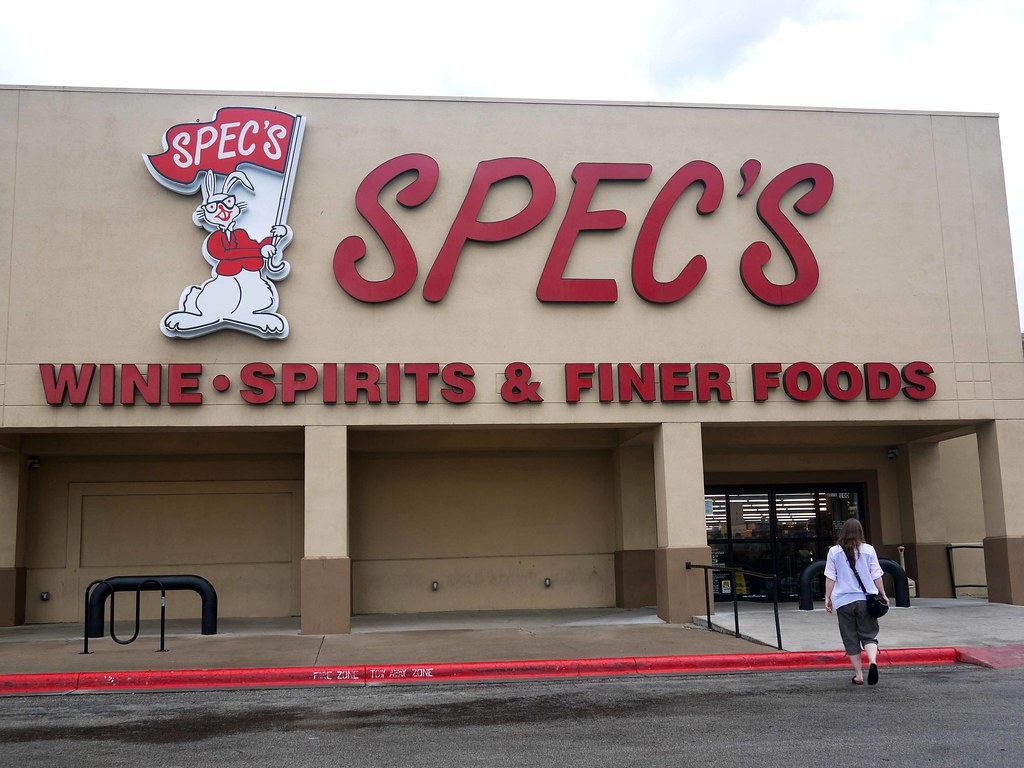
Austin's retail sector is undergoing notable shifts this summer, with new openings along South Congress Avenue and in the Domain District signaling continued growth despite broader economic uncertainties. Understanding how market trends are influencing consumer preferences and operational costs is key for local businesses aiming to thrive.
The retail environment in Austin is influenced by rising inflation pressures and evolving shopping habits, particularly following pandemic-induced changes. Retailers must adapt to maintain profitability as customers increasingly prioritize experiences and digital engagement alongside traditional in-store visits.
Local Openings Highlight Shifting Consumer Patterns
This month, the new flagship store for lifestyle brand Verde Collective debuted on South Congress Avenue, offering a curated mix of sustainable fashion and tech-enabled shopping features. Simultaneously, an expansion of The Domain's retail footprint by Simon Property Group added eight new boutique outlets, including three restaurants with integrated pickup options to cater to hybrid shoppers.
These developments come as the Austin Retail Alliance launched its "Shop Smart Austin" initiative, encouraging businesses to integrate digital tools and local sourcing to meet consumer demands. Business owners in East Austin's burgeoning retail zones report rising rent, now averaging $45 per square foot annually, which places a premium on store performance and efficient operations.
Data and Analysis Point to Strategic Shifts
According to the Greater Austin Chamber of Commerce Q2 retail report, retail sales in Austin grew 5% year-over-year in the first half of 2026, despite an overall national slowdown in brick-and-mortar consumer spending. Ecommerce and hybrid models now account for 38% of local retail revenue, up from 27% two years ago. Meanwhile, foot traffic in key corridors like Sixth Street and Barton Springs Road has increased by 12% compared to 2025, highlighting renewed confidence in physical retail.
However, operational costs have risen sharply. Energy and delivery expenses for local businesses have increased by approximately 8%, partly due to supply chain adjustments following last year’s logistics disruptions. These factors are prompting some retailers to reconsider lease agreements and explore flexible pop-up formats as shorter-term alternatives.
Businesses might also benefit from tapping into Austin’s tech talent pool, collaborating with startups to implement AI-driven inventory and customer analytics tools. The Austin Small Business Development Center reports a growing demand for resources aiding retailers in digital transformation.
In the coming months, retailers in Austin are advised to prioritize omnichannel strategies that blend in-person experiences with digital convenience, optimize supply chains to manage cost pressures, and engage community-centric marketing campaigns. Leveraging city-supported programs such as the Austin Retail Innovation Grant, which offers up to $25,000 for tech upgrades, could provide essential competitive advantages amid these market changes.