business
Austin Retail Market Sees Growth as New Opportunities Emerge for Local Businesses
A wave of retail openings across Austin signals a shift toward diversified consumer offerings, with several local sectors already capitalizing on these trends.
How we reported this
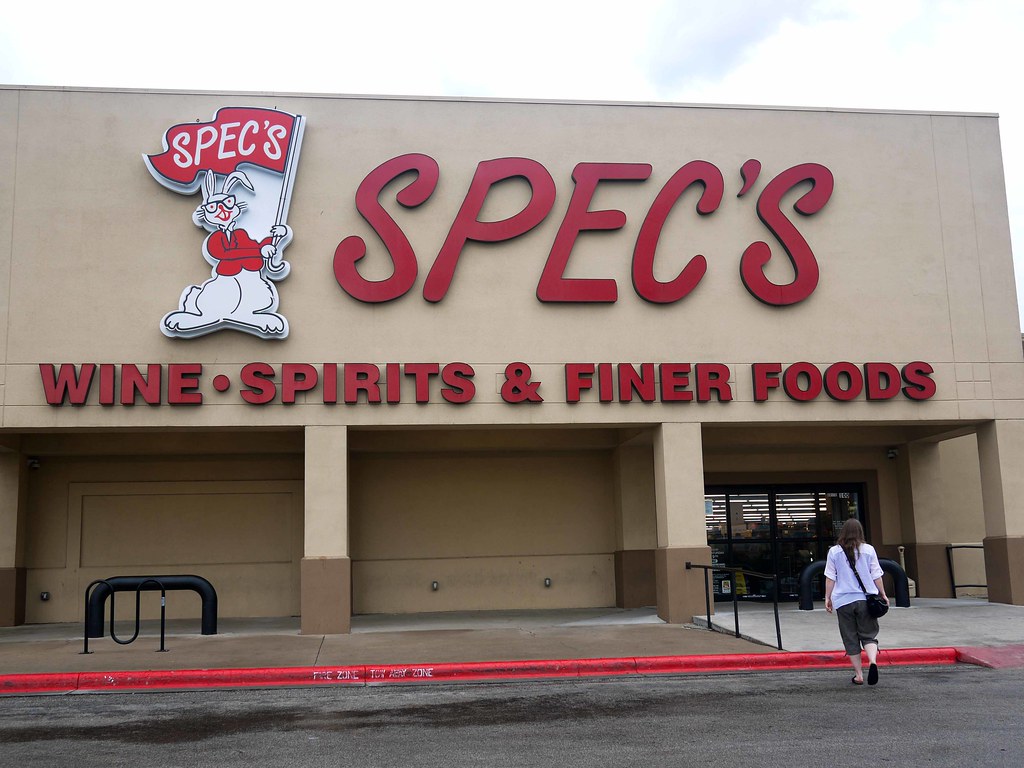
Austin's retail landscape is undergoing notable expansion, with new openings and shifting consumer tastes creating fresh opportunities for a range of businesses. While exact figures remain unavailable, the city’s dynamic business environment continues to attract entrepreneurs poised to capitalize on evolving retail demands.
This trend matters because as Austin grows, so too does the diversity of its population and their shopping preferences. Retailers able to adapt to changing tastes and new market segments position themselves to reap economic benefits amid broader urban development and consumer spending patterns.
Local Growth Reflects Broader Shifts in Consumer Demand
Across Austin neighborhoods such as South Congress and the Domain, new retailers have been appearing steadily, reflecting the city's appetite for both local brands and national chains expanding their footprint. This aligns with Austin’s reputation as a hub of innovation and culture, fostering an environment supportive of varied retail formats, from boutique shops to experiential venues.
Key local commercial areas, including parts of downtown and East Austin, have already seen a surge in new store openings and pop-up retailers focusing on niche markets and artisanal goods. This evolving retail mix benefits established businesses that complement the influx by catering to diverse consumer interests, including sustainable products, technology gadgets, and lifestyle services.
Who’s Benefiting as New Retail Opportunities Emerge?
While no exact sales or growth data from Austin for this trend is cited here, qualitatively, the businesses thriving are typically smaller, agile operators able to quickly adjust their offerings. They benefit from proximity to high foot traffic districts and events that attract residents and visitors. Retail landlords and commercial developers in vibrant corridors are also reaping gains from increased leasing activity and demand for adaptive spaces.
Consumers stand to benefit too, with an expanding variety of retail choices catering to a range of budgets and preferences. This retail renaissance encourages a competitive marketplace, potentially yielding improved services and products.
Looking ahead, retail success in Austin seems likely to hinge on continued responsiveness to the city’s shifting demographics and commerce patterns. Small and mid-size businesses should continue leveraging local cultural trends and collaboration, while developers and municipal planners will play roles in sustaining an enabling environment.