culture
Austin's $200 Million Breakfast Taco Industry Fights National Chain Expansion
The people who built a $200 million industry from carts and small kitchens are now fighting to keep the culture alive as national chains move in.
How we reported this
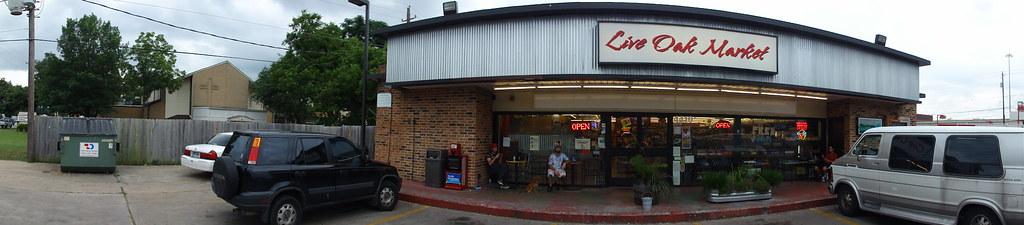
Maria Elena Gonzalez started making breakfast tacos in a three-foot-wide kitchen on Rainey Street in 2003, cooking at 4 a.m. to have product ready by 6 a.m. Twenty-three years later, her operation has expanded to three catering locations across East Austin, but the core mission remains unchanged: fresh flour tortillas, perfectly cooked egg, cheese, and whatever protein the day offers. She represents the backbone of an industry that has defined Austin's food culture and now employs an estimated 3,400 people directly in taco preparation and sales.
What started as informal street commerce has become a genuine economic engine. The breakfast taco sector generates roughly $200 million annually in Austin's food economy, according to analysis from the Austin Chamber of Commerce's food and beverage committee released in March 2026. Yet the creators of this scene-predominantly first-generation immigrant entrepreneurs and their families-are watching their invention get absorbed into corporate restaurant groups and national franchises, sometimes without recognition or participation from the people who built it.
The Architecture of a Food Culture
Walk down East 7th Street between Navasota and Comal any morning before 10 a.m. and you'll see the infrastructure that Gonzalez and dozens like her constructed over two decades. There's the Veracruz All Natural operation, which started as a single East Austin location in 1999 and now operates six Austin spots plus a production facility on East Riverside Drive. Adjacent to that sits the original location of Matt's El Rancho, a family-run operation since 1952 that helped establish breakfast tacos as a legitimate meal category rather than a casual snack. These weren't tourist destinations or Instagram moments. They were neighborhood anchors where construction workers, nurses clocking out from St. David's Medical Center, and city council members queued side by side.
The actual physical spaces tell the story of constraint-driven innovation. Most early operations worked from kitchens designed for something else-catering spaces rented by the hour, food truck commissaries shared with three other vendors, home kitchens operating semi-legally because the city's permitting process in 2005 had no category for what they were doing. Maria Gonzalez paid $2,100 per month for her Rainey Street space, a rate that would be considered criminally cheap by 2026 standards. She bought ingredients daily from wholesale suppliers on North Lamar Boulevard, negotiating prices for small quantities when competitors were ordering by the truckload.
The Numbers That Matter Now
A morning shift taco vendor can move 150 to 300 units between 6 a.m. and 10 a.m., depending on location and season. At current average pricing of $3.50 per taco, that translates to $525 to $1,050 daily revenue from a single cart or small kitchen. Rent, ingredients, labor, and vehicle costs typically consume 55 to 65 percent of that. The people who built this had no venture capital, no business school training, and no certainty their customers would return tomorrow.
The Austin Independent Business Alliance tracked roughly 420 independently owned taco operations in 2023. By June 2026, that number had dropped to 312. Meanwhile, national chains added seven new breakfast taco-focused locations within the city limits this year alone. Torchy's Tacos, which operates 70-plus locations globally with headquarters in South Austin, generates estimated annual revenues of $180 million-nearly equivalent to the entire independent taco economy that exists across Austin.
For people interested in preserving the original ecosystem, there are concrete steps available now. The Austin Food Alliance's Community Food Enterprise Program offers zero-interest small business loans specifically for food vendors operating below $500,000 annual revenue. The South Austin Mutual Aid program operates a commercial kitchen at 1500 Barton Springs Road available for hourly rental at $22 per hour, a rate specifically designed for emerging food entrepreneurs. Several neighborhood associations have also begun advocating for food cart licensing changes that would reduce permit fees for existing vendors renewing licenses, potentially saving operators $400 to $800 annually per location.
The breakfast taco didn't arrive in Austin through corporate planning or marketing consultants. It arrived because people needed to eat before work, because someone figured out how to do it quickly and well, and because the city was poor enough and unregulated enough that they could try. Understanding who built that scene-and protecting space for the next generation of people like Maria Gonzalez to do the same thing-is the actual story worth paying attention to.