culture
Austin's Theater Scene Evolved From Corner Stages to Downtown Landmarks
From intimate corner stages to downtown theaters, Austin’s performance scene reflects decades of cultural growth and transformation.
How we reported this
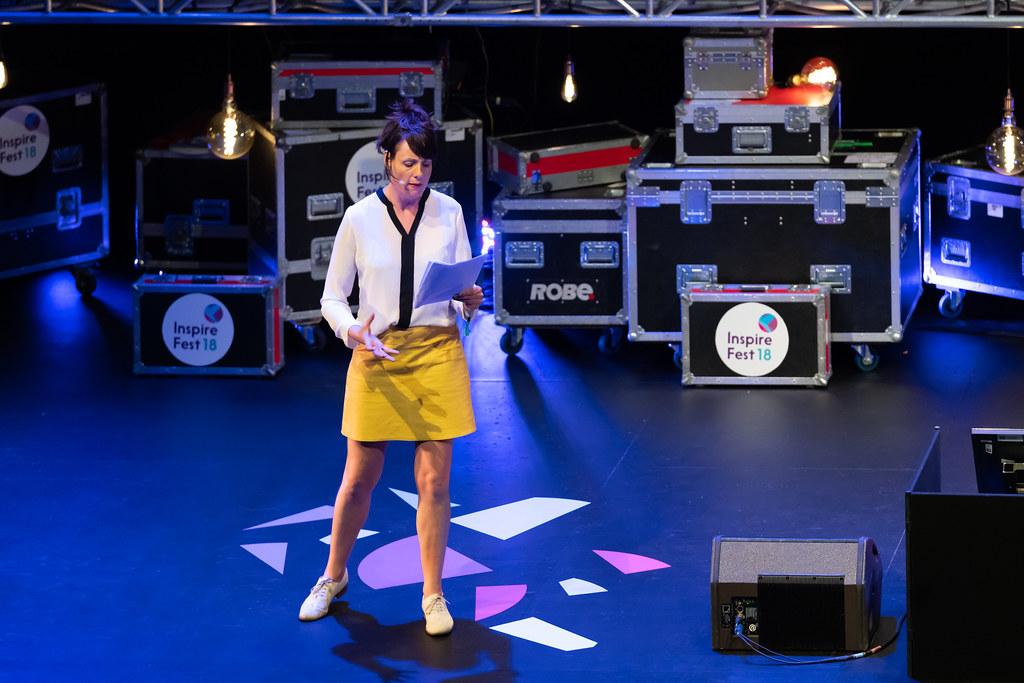
Austin's theater and performance community has steadily blossomed from grassroots collectives in the 1970s into a vibrant ecosystem comprising multiple venues and organizations. This summer, as theaters such as the Zach Theatre and the Rollins Studio Theatre celebrate over 50 years of existence, the city reflects on how these cultural institutions shaped its identity and continue to influence a new generation of performers and audiences.
Amid a wave of urban development and changing demographics in neighborhoods like East Austin and the Warehouse District, understanding the history of Austin’s theater scene offers valuable insight into broader cultural shifts. As rents rise and audiences diversify, the city's theatrical landscape is both challenged and invigorated by efforts to preserve historic venues while fostering inclusive storytelling platforms.
Roots in Neighborhood Playhouses and University Theaters
Theater in Austin initially took shape through small community spaces and university programs. The University of Texas at Austin's Department of Theatre and Dance, established in the 1930s, became a cornerstone for theatrical education and production, nurturing talents who would shape the local scene.
Meanwhile, the Zach Theatre, founded in 1932 on the east side of downtown, started as a modest community theater and gradually expanded to become one of the largest professional theaters in Texas. Today located at 202 S. Lamar Blvd, Zach offers a mix of classic plays and contemporary works, maintaining an audience of nearly 100,000 patrons annually.
Recent Trends and Statistical Shifts
Data collected by the Austin Creative Alliance indicates that since 2010, ticket sales for live theater performances in Austin have increased by approximately 25%, reflecting a growing local appetite for performing arts. The Rollins Studio Theatre, part of the Austin Playhouse located in the Warehouse District, has been instrumental in premiering new plays by Texas writers, with ticket prices averaging $30, reinforcing accessibility while sustaining operational costs.
Community initiatives such as the EAST (East Austin Studio Tour) also incorporate performance art, integrating theater into broader cultural festivals and boosting artist visibility. Additionally, local grants and funding from entities like the City of Austin’s Cultural Arts Division have prioritized historic preservation and education programs, investing over $2 million last fiscal year into theater projects.
These efforts highlight a dynamic interplay between tradition and innovation within Austin's performance scene, making it a living archive and a thriving marketplace for current artists.
Looking ahead, the city’s theater community is gearing up for the 2027 Austin Theatre Festival, which aims to spotlight emerging playwrights and increase performances in underrepresented neighborhoods such as Montopolis. For patrons, purchasing advance tickets via official outlets and subscribing to season packages at major venues remain the best ways to engage with upcoming shows and support the evolving local arts ecosystem.