culture
Austin’s Street Art Surge: Why Murals Are Making Waves Across the City
From Sixth Street to East Austin, murals are sparking conversation and reshaping public spaces as community voices find new canvases.
How we reported this
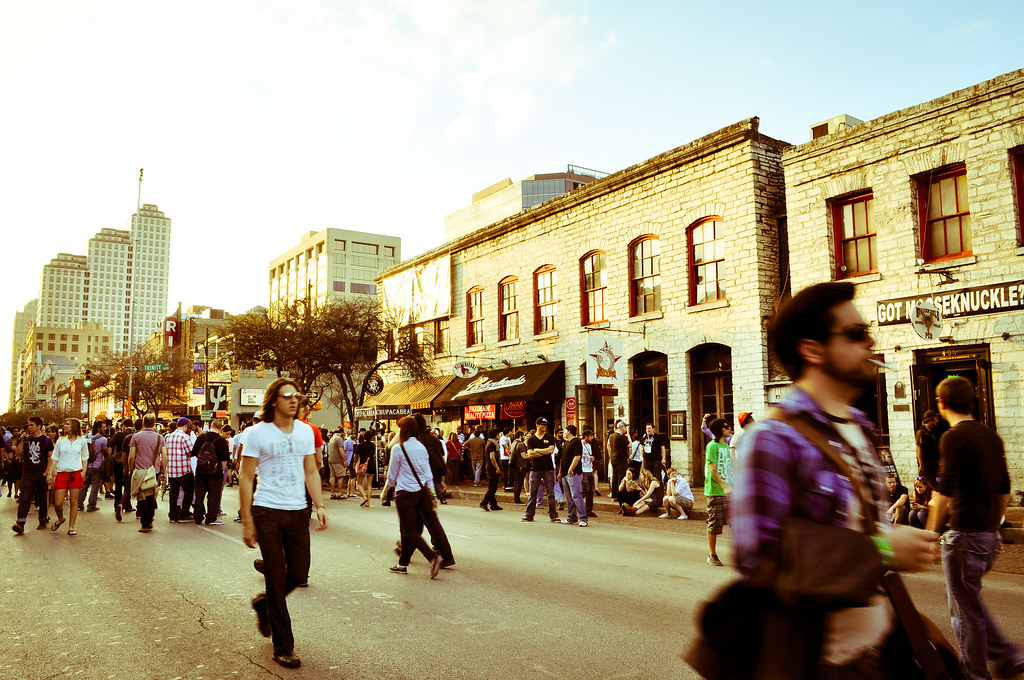
In the past six months, Austin has seen the most extensive street art boom in a decade, with over 50 new murals popping up across neighborhoods like East Austin and the South Congress district. This surge is fueling vibrant local debates about art, gentrification, and community identity, more than ever before.
A Creative Renaissance in the Heart of the City
Street art has long been part of Austin’s visual culture, but the recent uptick ties directly to the city’s evolving demographic and economic landscape. Rising property prices and urban development have stirred residents and artists to use public murals as a means of reclaiming and redefining their neighborhoods. The increasing visibility of street art is amplifying voices that want to highlight Austin’s diversity and confront concerns over rapid gentrification.
Organizations like the HOPE Outdoor Gallery, a prominent mural park near Baylor Street, have been pivotal in supporting this movement. After its relocation in late 2025 due to construction, the gallery reopened this spring at Carson Creek Ranch with expanded space and attracted dozens of new works from local and visiting artists. Meanwhile, the East Austin Studio Tour, a key annual event running this November, is set to highlight several mural projects alongside traditional gallery exhibitions, reflecting this blending of street and formal art scenes.
Local Projects and Programs Driving the Change
The nonprofit group Street Art Society Austin (SASA) has spearheaded initiatives funding murals that address social justice themes and celebrate cultural heritage. Their recent 'Walls of Unity' project has commissioned 12 murals around East Cesar Chavez and Manor Road, areas known for their historically Latinx communities. Additionally, the City of Austin's Cultural Arts Division awarded $150,000 in mural grants this year, doubling last year's investment, to encourage community-driven public artworks.
Notable recent pieces include a 90-foot mural on 7th Street near I-35 depicting indigenous Austin stories, and a large-scale portrait series on South Congress Boulevard celebrating local musicians. These installations have drawn increased foot traffic to the areas, boosting small businesses like café-creperies and vinyl shops along South Lamar Boulevard.
Numbers Behind the Movement
According to a report by Austin Arts Commission, nearly 70% of residents surveyed in June 2026 believe public art positively impacts neighborhood identity and tourism. In the last fiscal year, the city allocated $1.3 million to public arts programs, with street art comprising approximately 40% of this funding. Meanwhile, real estate data shows that properties within a one-block radius of major murals have experienced an average 8% increase in value since January.
However, some longtime Austinites express concern that expanding mural projects could accelerate commercial gentrification pressures, particularly along the rapidly changing Riverside Drive corridor. Local advocacy groups are calling for more inclusive planning processes to ensure murals serve existing communities and not just new, wealthier residents.
For those interested in exploring Austin’s street art first-hand, the city’s official arts website offers an interactive map highlighting mural locations, including those created through public art grants. The East Austin Murals Walking Tour, available via the Austin Visitors Center, provides a self-guided route showcasing the latest creations. Workshops hosted by SASA in August and September will also teach residents basic mural painting techniques and community engagement strategies.
As summer continues, the evolving landscape of murals across Austin’s streets will remain a focal point of discussion-painting new stories on the city’s walls and sparking dialogues far beyond the art itself.