culture
Tracing the Stages: The History and Evolution of Austin's Theater Scene
From storefronts in East Austin to flagship venues downtown, Austin's performance landscape tells a story of community, innovation, and growth.
How we reported this
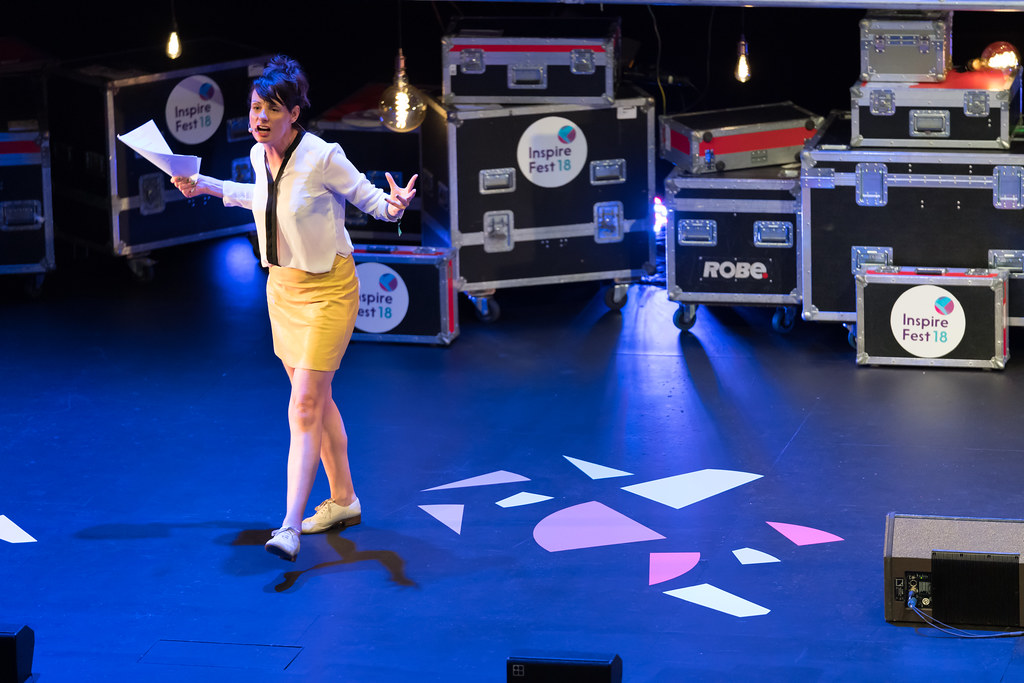
Austin's theater and performance scene has transformed remarkably over the past century, evolving from modest beginnings in community halls to a nationally recognized hub for experimental and traditional theater. Highlighting this growth, the Long Center for the Performing Arts, which opened its doors in 2008 on Willie Nelson Boulevard, now serves as a cultural cornerstone for large-scale productions and community events.
Roots in Community and Counterculture
The importance of this history has come into renewed focus as Austin faces rapid urban development and demographic shifts that threaten some of the city's historic cultural venues. It matters now because preserving and understanding the roots of local theater provides not only a cultural identity but also informs current debates about arts funding and city planning. In particular, the East Austin Theatre Alliance has spearheaded efforts to maintain intimate performance spaces in neighborhoods that have experienced significant gentrification since the early 2000s.
Neighborhoods like East Austin and South Congress have been home to some of the earliest experimental theater troupes, which laid the groundwork for Austin’s reputation as a place that blurs conventional theatrical boundaries. Groups like the Rude Mechanicals have been crafting original works since the mid-1990s out of the Salvage Vanguard Theater on East 4th Street, a venue that started as a simple home to local artists and now averages over 120 performances annually.
Growth through Institutions and Innovation
The evolution is also evident in the formalization and expansion of institutions. The University of Texas at Austin’s Performing Arts Center opened in 2009 on San Jacinto Boulevard, becoming a training ground for local talent and a hub for experimental productions. Its presence anchors a year-round calendar of performances, drawing more than 50,000 attendees annually to diverse shows ranging from classical drama to avant-garde dance.
Data from the Austin Creative Alliance shows that performing arts organizations in the city generated approximately $75 million in economic impact in 2025 alone, underscoring theater’s vital role in the local economy. Ticket prices have remained relatively accessible, with an average of $30 for mid-tier performances at venues like the ZACH Theatre downtown, one of Austin's oldest professional theaters founded in 1932. ZACH stages over 400 performances annually and engages thousands of students through their educational outreach.
Despite these successes, challenges persist. Many community-driven theaters operate on tight budgets and rely heavily on volunteers, making sustainability a pressing concern. In response, Austin’s city council recently approved a $2 million arts stabilization fund targeted at independent theaters to help bridge financial shortfalls aggravated by rising operational costs.
Looking ahead, attendees can expect a diversified theater scene that embraces both its historic roots and innovative new works. Several venues are launching summer workshops and interactive performances starting this August, particularly aiming to involve younger audiences and underrepresented communities. For Austinites eager to engage, subscribing to season passes from venues like the Long Center or ZACH Theatre often provides discounts and early access to shows, with season passes starting around $120.
Theater enthusiasts and newcomers alike will find plenty to explore across Austin’s eclectic stages, witness a community honoring its past while boldly stepping into the future.