culture
Inside Austin’s Arts Revival: The Community and Movement Driving This Cultural Shift
Local artists, organizations, and neighborhoods are collaborating to reshape the city’s cultural identity amid widening national attention.
How we reported this
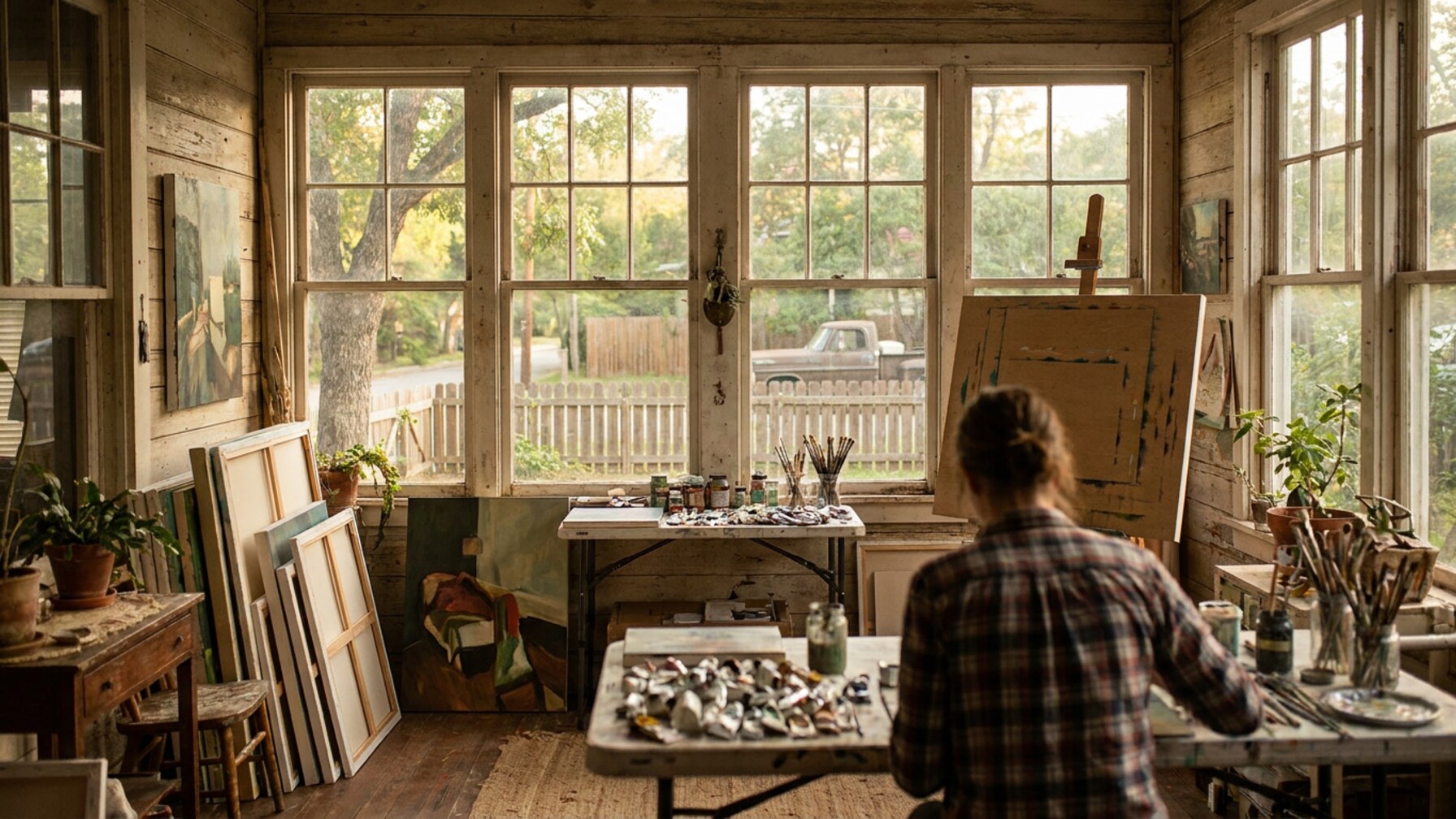
Austin’s art scene is undergoing a dynamic transformation fueled by grassroots movements and community engagement, reshaping the city’s creative identity beyond its longstanding reputation as a live music hub. Over the past year, neighborhood art collectives, new gallery spaces, and city-backed programs have converged, sparking momentum that cultural observers and local stakeholders say signals a deep shift in the city’s artistic landscape.
This cultural renaissance comes at a critical moment as Austin grapples with rapid urban growth and demographic change, which have strained established creative spaces and raised concerns over affordability and inclusion. The renewed focus on community-led arts initiatives aims to ensure the city’s evolving identity remains diverse and accessible, resisting the displacement effects seen in other fast-growing metropolitan centers.
Neighborhood Roots and Institutional Support
The East Austin Studio Tour (EAST), now in its 23rd year, stands at the forefront of this movement, providing a platform each November for hundreds of local artists to exhibit directly within their workspaces across the largely Hispanic East Cesar Chavez neighborhood. EAST has expanded significantly since 2023, with participation growing by over 20%, reinforcing its role as a key incubator for emerging talent and cultural exchange.
Complementing EAST’s community-driven model, the nonprofit Art Alliance Austin, headquartered on Congress Avenue, has launched the "Creative Resilience" program funded through a $1.2 million grant from the National Endowment for the Arts earlier this year. The initiative targets sustainable working conditions for underrepresented artists, offering micro-grants and affordable studio space rental subsidies in redevelopment zones such as South Lamar and the Highland neighborhood.
Additionally, gallery spaces like Big Medium on Neches Street have notably shifted toward collective curatorial projects, showcasing multidisciplinary exhibitions that spotlight Austin’s voices of color, queer artists, and Indigenous creatives-all contributing to a richer, more inclusive cultural dialogue within the city’s art corridors.
Numbers Tell the Story
Data from the Austin Creative Index report released by the city’s Arts Commission in June 2026 highlights this shift with concrete figures: the number of registered artists in Austin increased by 15% between 2023 and 2025, now totaling approximately 17,000. This growth outpaces the city’s overall population increase of 8% in the same period, indicating an intensifying creative community.
Moreover, public art investments have climbed steadily, with the city dedicating $13 million to cultural projects in fiscal year 2026 alone-up 25% from two years prior. This funding boosts support for neighborhood murals, performance spaces, and interactive art installations, contributing to public accessibility and vibrancy.
Despite surging real estate prices, with average commercial rents on South Congress rising 15% year-over-year to around $40 per square foot, many organizations are collaborating to keep spaces affordable. Creative hubs such as the Canopy building in downtown Austin now offer subsidized leases and artist residency programs that seek to mitigate displacement pressures.
While concerns about gentrification persist, community leaders emphasize that active dialogue and local empowerment form the backbone of this cultural shift, aiming to preserve Austin’s unique artistic fabric amid ongoing change.
For Austinites eager to engage, the next East Austin Studio Tour opens November 6 through 15, featuring over 300 artists and venues. The Art Alliance Austin’s Creative Resilience program will begin accepting applications for their fall grant cycle starting August 1, encouraging emerging artists from diverse backgrounds to apply. These opportunities underline how the city’s art movement is not only about creation but about building spaces where all voices can thrive.