lifestyle
East Austin Leads Austin's Sustainability Transformation Through Community Programs
Neighborhood efforts and local programs are transforming East Austin into a hub for practical sustainable living.
How we reported this
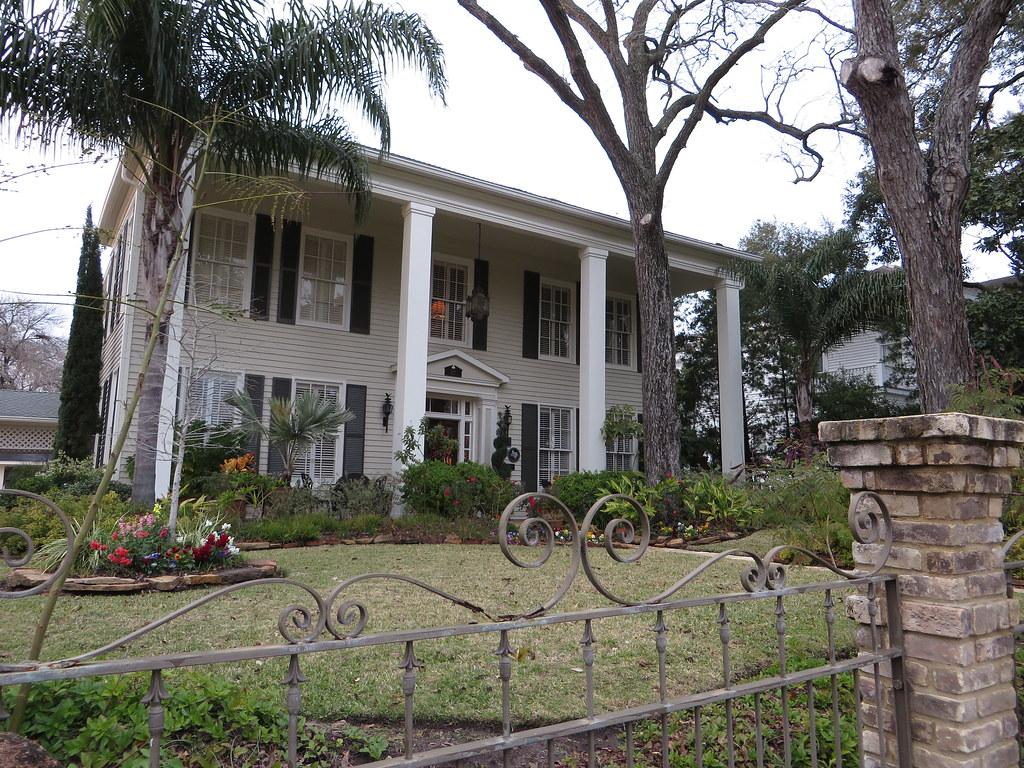
East Austin, once known primarily for its vibrant arts scene and historic roots, is now gaining recognition as a hotspot for sustainable living initiatives that are reshaping local habits and community identity. From urban gardening projects to energy-saving renovations, residents and local groups are making green lifestyles more accessible and practical in this rapidly changing part of the city.
As climate concerns intensify and Austin continues to grow, expected to exceed 1 million residents by 2030, sustainability has moved from fringe discussion into everyday decision-making. East Austin’s ongoing transformation reflects a broader citywide shift towards resource-conscious living that aims to reduce carbon footprints while boosting community resilience. This evolution matters because Austin’s rapid expansion puts greater strain on natural resources, infrastructure, and affordability, creating urgency for smarter environmental choices.
Local Projects Cultivating Change
At the heart of East Austin’s sustainability push is the Mueller Sustainable Community Garden on Holly Street, where neighbors meet to grow organic produce collectively, promoting local food security and reducing reliance on long-distance transportation. Nearby, the East Austin Community Energy Project operates out of the ReUse Warehouse on Webberville Road. This nonprofit refurbishes donated building materials and appliances, offering affordable options for homeowners aiming to reduce construction waste and improve energy efficiency.
City programs are supporting these grassroots efforts. The Austin Energy Green Building program provides rebates and technical assistance for residential solar panel installations and efficiency upgrades, many of which are concentrated within East Austin neighborhoods. The city recently expanded incentives for heat pump water heaters, which use up to 60% less energy compared to traditional electric models. These initiatives integrate sustainability into daily living and make it financially viable for local households.
Data Driving the Sustainable Shift
According to the 2025 Austin Climate Equity Index published by the City of Austin’s Office of Sustainability, East Austin has seen a 15% increase in the adoption of energy-efficient home improvements compared to 2019. Participation in community gardening and composting programs rose by 25% over the same period. Additionally, solar power installations in the area jumped from approximately 400 residential systems in 2021 to over 900 by mid-2026, helped by city rebate programs that cover up to 30% of installation costs-around $3,500 for an average 5 kW system.
Yet challenges remain; many long-time East Austin residents still face barriers due to rising property values and the cost of sustainable upgrades. Local advocacy groups such as Sustainable East Austin Alliance are campaigning for targeted grants and educational workshops to ensure equitable access to green technologies and community resources.
As East Austin continues evolving, residents can engage with sustainability by visiting venues like the Mueller Sustainable Community Garden to volunteer, enrolling in energy efficiency programs through Austin Energy, or utilizing ReUse Warehouse resources for affordable, eco-friendly home improvements. City's next step involves expanding outreach and support programs to more neighborhoods, aiming for an inclusive green transition by 2030. These efforts underline how sustainable living is no longer just an individual choice but a collective movement shaping Austin’s future.