lifestyle
How Austin’s Unique Climate and Culture Shape Home and Garden Living
From drought-resistant landscaping to vintage decor, Austin homeowners blend environment and eccentricity in ways unmatched worldwide.
How we reported this
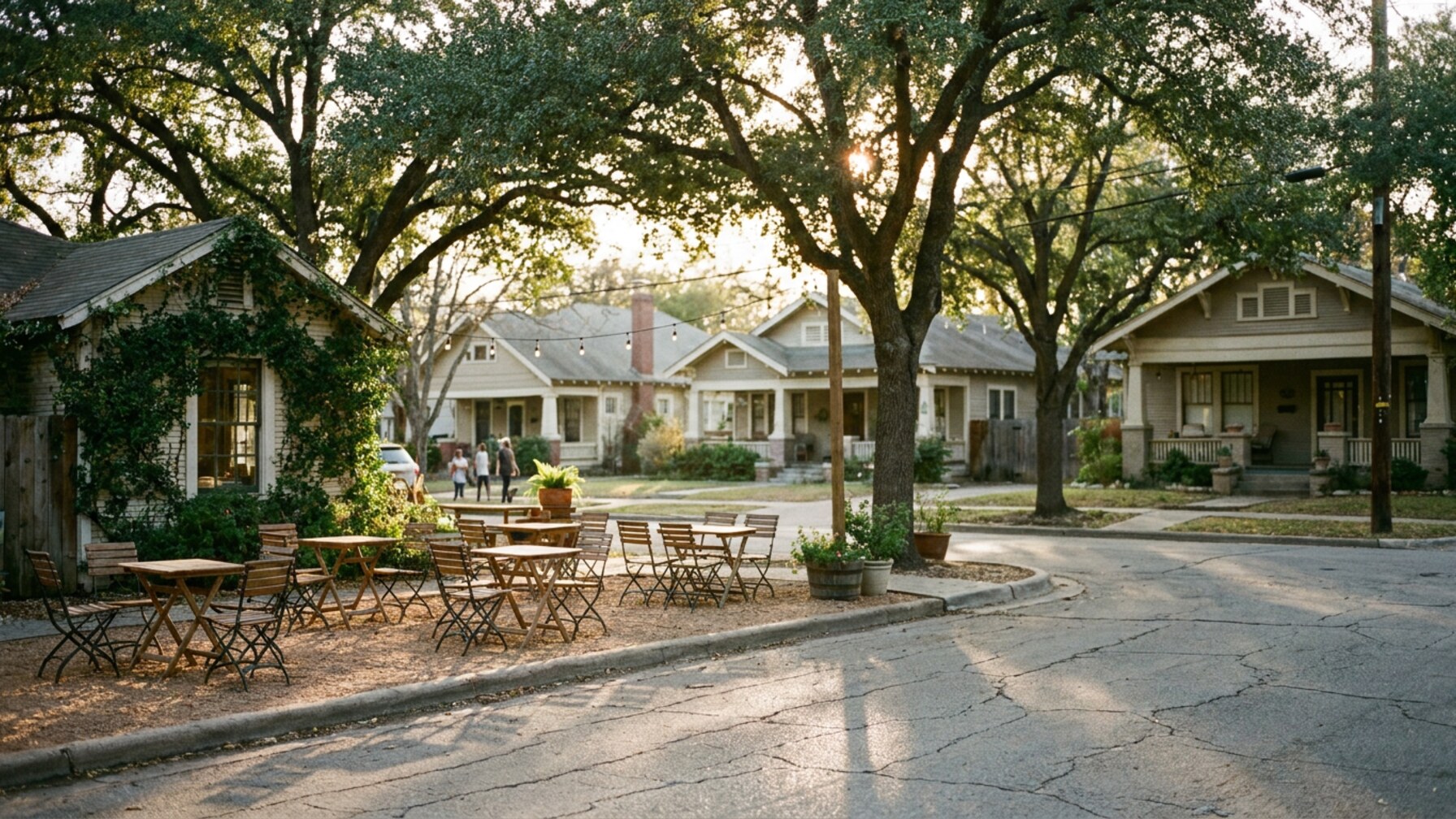
Austin’s distinctive combination of climate and culture makes home and garden living here unlike anywhere else. The city’s hot, dry summers and vibrant artistic community have pushed residents toward water-smart landscaping and creative home decor styles that celebrate local heritage and innovation.
This focus on sustainability and style matters now more than ever as Austin faces a population surge, putting pressure on natural resources and housing. With roughly 20,000 new residents arriving annually over the past five years, homeowners and renters alike are adapting their spaces to balance comfort, aesthetics, and environmental impact.
Local Initiatives and Neighborhood Charm
Neighborhoods like Travis Heights and Hyde Park showcase the city’s embrace of adobe hues, native plants, and mid-century modern elements inspired by Austin’s music and tech boom. The Lady Bird Johnson Wildflower Center, located off La Crosse Avenue, offers workshops on incorporating native species such as Texas sage and mountain laurel into residential gardens to reduce irrigation needs and attract pollinators.
The Austin Water Utility’s Lawn Conversion Rebate program encourages home and business owners to replace traditional lawns with xeriscaping, awarding up to $75 per 500 square feet converted. In 2025, the program saw a 40% increase in participation, with more than 1,200 properties opting for sustainable landscaping solutions.
Data and Trends Reflecting Austin’s Approach
According to the 2026 Austin Homeowners Annual Survey, 58% of respondents reported making modifications to their outdoor spaces aimed at water conservation since 2023, compared to just 34% nationwide. The average installation cost for these sustainable garden upgrades ranges between $8,000 and $15,000, but most homeowners report recouping expenses through utility savings within three to five years.
On the interior front, vintage and handmade furniture sourced from local artisans on South Congress Avenue is estimated to account for nearly 25% of home decor purchases by Austin residents, reflecting a preference for unique, locally crafted pieces over mass-produced imports.
Energy-efficient home improvements are also surging. The Austin Energy Efficiency Program reported an 18% rise in home insulation and smart thermostat installations citywide since early 2025, underscoring growing awareness of climate-responsive design.
Looking ahead, the city’s Department of Sustainability is set to launch a pilot program this fall aiming to integrate rainwater harvesting systems into at least 300 new or remodeled residential properties in Central Austin by 2027. For residents wanting to get started sooner, attending workshops at the Sustainable Food Center on East Cesar Chavez Street or consulting with local landscaping experts like Native Lands Restoration can offer tailored guidance.
Ultimately, Austin’s home and garden scene reflects a blend of environmental mindfulness, community pride, and creative flair that continues to set it apart from cities worldwide. Whether planting a drought-tolerant yard or hunting for handcrafted furnishings, residents are shaping living spaces very much their own.