news
Austin City Council Approves $1.2 Billion Transportation Bond as Council Grapples With Housing Crisis
Voters will decide this fall on the largest transit investment in city history, while council members clash over affordable housing requirements in South Austin developments.
How we reported this
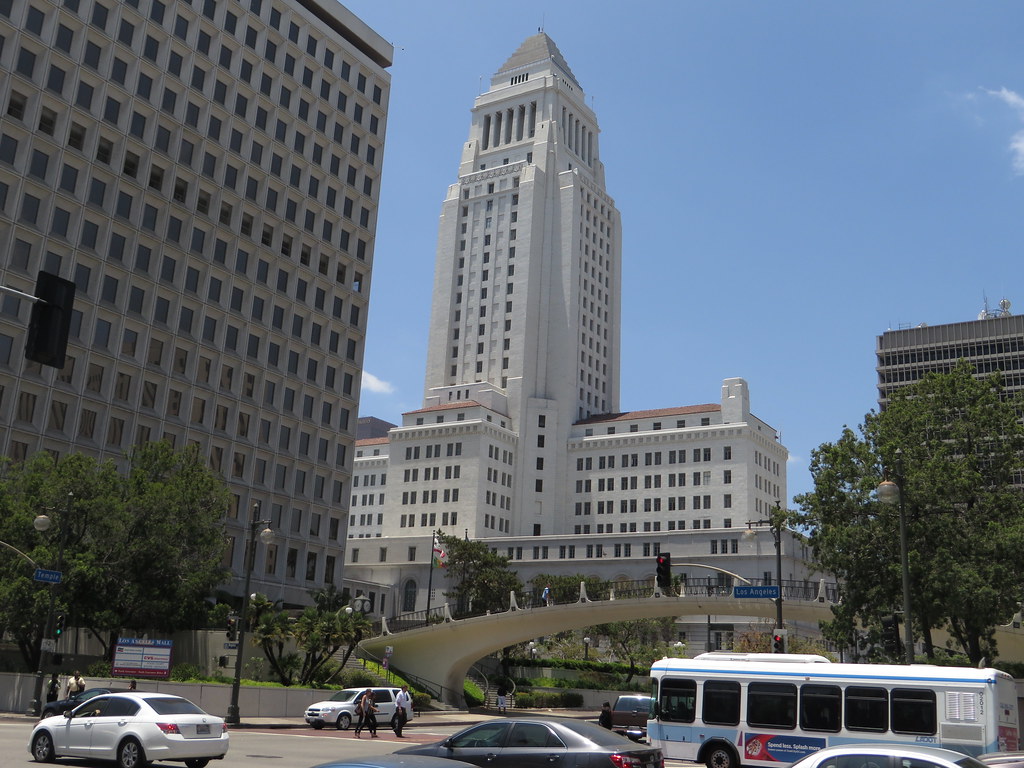
Austin's City Council voted 9-2 Thursday to place a $1.2 billion transportation bond on the November ballot, marking the biggest infrastructure ask in the city's history and signaling the council's commitment to addressing gridlock that has become a defining problem for residents across all neighborhoods.
The bond would fund bus rapid transit corridors on East Riverside Drive and North Lamar Boulevard, additions to the MetroRapid network, and repairs to existing streets that have deteriorated under the city's explosive growth. The vote came after months of debate about whether the package addresses the right transportation priorities, with some council members arguing the city should have focused more heavily on sidewalk repairs and bicycle infrastructure before pursuing high-speed bus lanes.
"We're trying to build a city that works for people who can't drive everywhere," said Assistant City Manager Rob Spillar during Wednesday's pre-vote presentation to council. "Right now, we're not doing that effectively."
Housing Tensions Heat Up Over South Austin Development
The transportation bond was not the only contentious item on this week's agenda. A zoning change request for a 187-unit residential project on Oltorf Street between Congress Avenue and South First Street triggered sharp disagreements over affordability requirements. The developer, local firm Endeavor Real Estate Group, proposed 12 percent of units at below-market rates-far lower than the 25 percent the city's latest affordability guidelines recommend for South Austin sites.
Council Member Vanessa Johnson voted against the zoning variance, citing the city's ongoing homelessness crisis, which has driven demand for emergency shelter beds to 3,200 last month according to the Austin Public Health Department. Council Member Mackenzie Kelly supported the project as proposed, arguing that "we can't price ourselves out of supply," and that even fewer below-market units would become available if development was delayed by stricter requirements.
The project ultimately received approval 7-4 after a compromise allowed the developer to build 22 units at 60 percent of area median income, though advocates for housing justice criticized the agreement as inadequate.
Budget Shortfall Looms for Parks Department
City officials disclosed Thursday that the Parks and Recreation Department faces a $4.8 million funding gap in its 2027 budget due to lower-than-expected property tax revenues. The shortfall raises questions about planned improvements to Lady Bird Lake Park and the expansion of community centers on the east side of Interstate 35, where demand for programming far exceeds current capacity.
Budget Director Justin Cantu told council that the city's tax base growth-3.2 percent in 2025-was slower than projections made during the 2024 budget cycle. This comes as Austin continues to absorb an influx of residents, with the U.S. Census Bureau estimating the city has added 45,000 residents since 2020, straining services from water infrastructure to police response times.
Council members will vote on proposed cuts and alternatives during the August budget adoption process, with several indicating they plan to request adjustments that protect community center hours rather than scaling back lake park renovations.
Residents who want their voices heard on any of these priorities should attend one of the city council's public hearing sessions, which resume August 1 at City Hall on Congress Avenue. The November ballot will include not just the transportation bond but also a potential property tax rate adjustment that could affect city services. Neither decision is final until voters weigh in-or until council votes again if circumstances change.