news
Voices from Austin Residents Reflect on New Urban Development Policies
Community members from Riverside and East Austin share their concerns and hopes following recent city council decisions impacting housing and green spaces.
How we reported this
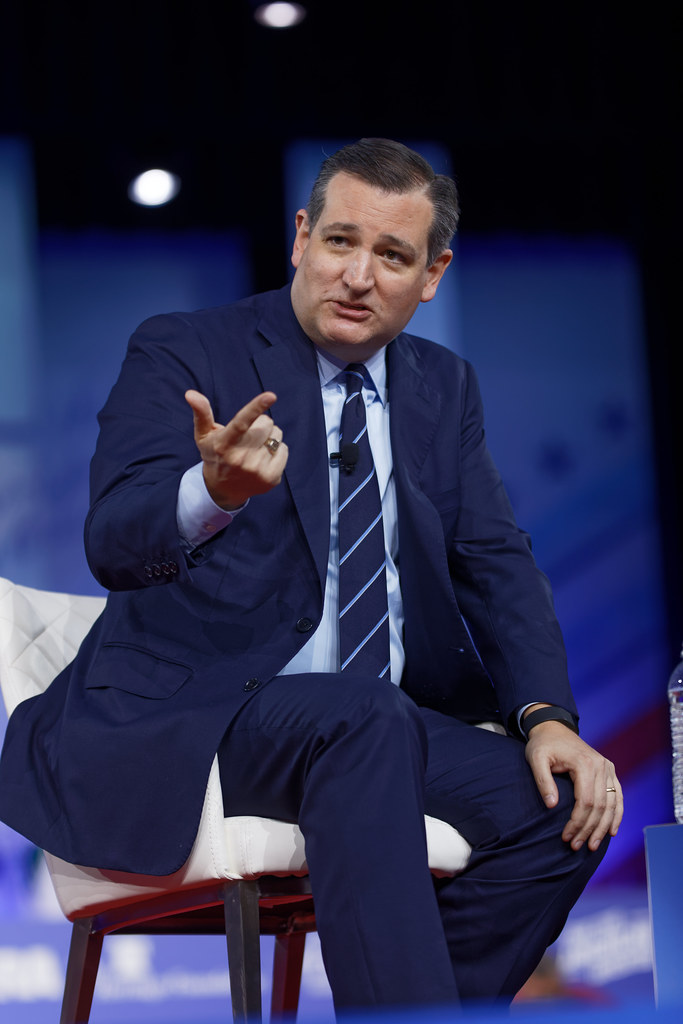
Last Tuesday, Austin City Council approved a comprehensive urban development plan aiming to address housing shortages and expand green spaces, but the move has sparked a diverse reaction from residents opposing and supporting the changes.
Why This Matters Now: Balancing Growth and Community Needs
The approval comes as Austin faces a pressing housing affordability crisis, with median home prices in the city rising 14% in the past year alone. The council's initiative includes rezoning parts of Riverside and East Austin to allow for increased residential density and the creation of new parks. City officials argue these changes will stimulate equitable growth and improve quality of life. However, community members worry about the potential displacement and environmental impact amid rapid urbanization.
Local Perspectives: Riverside and East Austin Residents Speak Out
In Riverside, a neighborhood witnessing rapid development near the Colorado River, longtime resident Maria Hernandez expressed concern that the increased density plans along Chicon Street could push out families who have lived there for decades. “We want to see affordable housing, but not if it means losing our community feel,” she said.
Meanwhile, in East Austin, the planned expansion of the Roy G. Guerrero Colorado River Metropolitan Park has attracted praise and skepticism. The Austin Parks Foundation is facilitating community feedback sessions at the nearby St. James Baptist Church, emphasizing the importance of inclusive green spaces. Local artist and activist DeAndre Williams noted, “Green spaces are vital, but the city needs to ensure these parks don’t become exclusive or lead to gentrification pressures.”
The Austin Housing Coalition also weighed in, highlighting that the new zoning laws could unlock over 2,500 new housing units citywide by 2028, with at least 30% designated as affordable housing. This move aligns with the city’s 2023 Imagine Austin plan goals to increase affordable housing availability by 20% over five years.
Despite optimism among housing advocates, some small business owners along Riverside Drive voiced worries about construction disruptions potentially damaging their revenue streams. The Austin Independent Business Alliance is collaborating with city planners to minimize impact during the development phases expected to begin in early 2027.
In an official briefing dated July 10, city planners outlined the projected cost of park expansions at $22 million, funded through a combination of municipal bonds and private partnerships. The affordable housing projects are estimated to cost approximately $150 million over the next five years, part of which will be supported by the recently approved tax increment reinvestment zones (TIRZ) in the impacted neighborhoods.
Looking ahead, the city council has scheduled a series of town halls beginning August 1 at the Austin Central Library and the Carver Museum and Cultural Center to engage further with residents. These forums will address implementation timelines, tenant protections, and environmental safeguards to mitigate concerns about the development’s effects.
For community members interested in contributing feedback or tracking project progress, the City of Austin’s Planning and Zoning Department has updated its online portal with interactive maps and contact information for district representatives. Local organizations such as the Austin Tenants’ Council also offer resources on renters’ rights and opportunities to participate in upcoming policy discussions.