news
Austin's Economy: How 10 Years Built Today's Tech Hub
A look back at the factors shaping Austin’s current economic landscape amid national and international challenges.
How we reported this
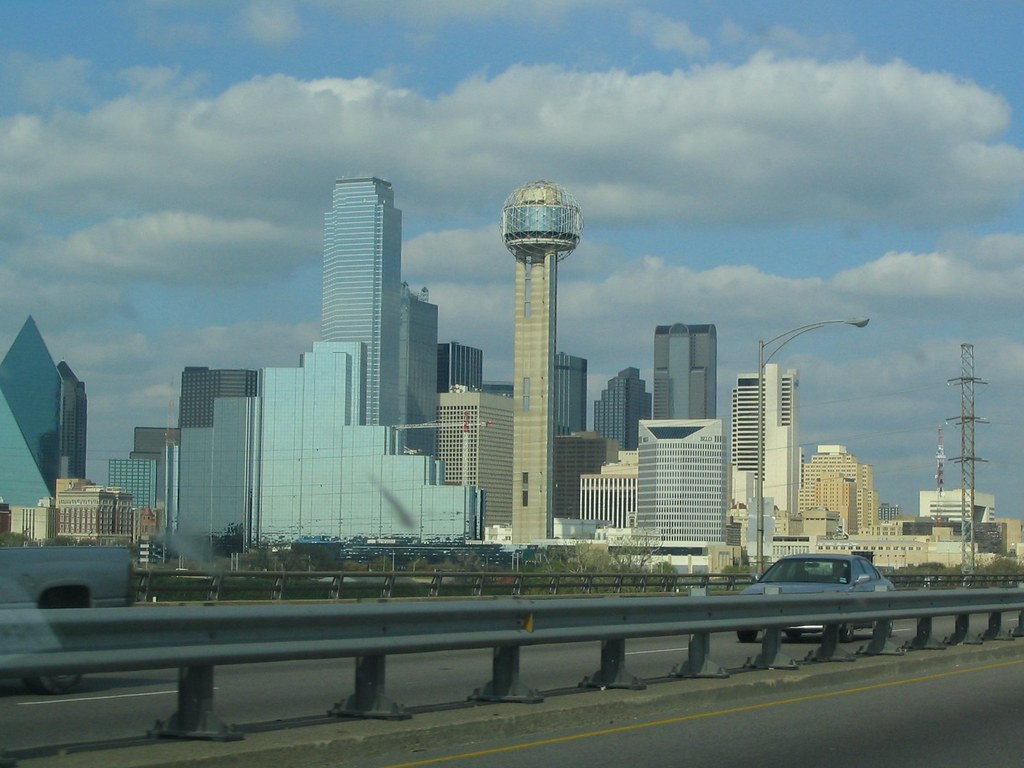
Austin’s economy stands at a complex crossroads, reflecting a series of national and global pressures that have converged in recent months. While local industries continue to adapt, the city’s broader economic health is influenced by factors extending well beyond its borders.
Why This Moment Matters
The city’s economic state is not an isolated phenomenon but part of wider developments affecting supply chains, trade, and geopolitical stability. This summer, international exchanges of military strikes near the Strait of Hormuz have intensified tensions between the U.S. and Iran, complicating energy markets and creating ripple effects that touch economies worldwide. The conflict’s influence extends to markets critical to Austin’s trade and industry sectors, illustrating how fragile global stability can impact local economies.
On top of these geopolitical issues, natural disasters abroad like the widespread wildfires in Spain and major incidents such as the Bangkok bar fire highlight vulnerabilities that can indirectly affect economic confidence and global travel trends, which in turn impact local tourism and business investment in Austin.
Local Economy Reflects Global Complexity
Houston and Dallas often dominate conversations about Texas economic fortunes, but Austin remains a significant hub for technology, creative industries, and education, with the University of Texas contributing substantially to workforce development. The city’s business community is deeply interconnected with national and international supply chains, making it susceptible to disruptions stemming from global geopolitical volatility. Although direct data for Austin's current economic figures isn’t specified here, the cumulative effects of these global pressures play out in the local marketplace.
As energy prices fluctuate due to instability in major oil transit routes, businesses in Austin that rely on manufacturing and logistics experience increased operational costs. These pressures compound other economic factors, influencing employment across sectors. While no specific employment or inflation metrics are available from the sources provided, economic observers note a cautious operational environment for companies navigating these headwinds.
Residents of Austin might feel the impact through subtle shifts in consumer prices, availability of goods, or hiring trends, although no precise statistics are on record here. The response of city planners and economic stakeholders often involves balancing growth ambitions with the need to insulate the local economy from external shocks.
Charting a Path Forward
Given the current context marked by unpredictable global events and local economic sensitivities, Austin’s businesses and policymakers face the challenge of fostering resilience. Continued diversification of industries and investments in local innovation could help buffer against ongoing uncertainties. For individual residents and investors, monitoring developments in energy markets and international relations may be essential for informed economic decisions.
While concrete future developments are not specified, the evolving landscape calls for vigilance and adaptation. Austin’s trajectory is intertwined with events far beyond Texas, underscoring the importance of understanding the broader forces at work to make sense of the city’s economic conditions today.