news
Voices from Affected Community Members on the Issue
Austin residents describe how city-level decisions shape their daily routines and neighborhood stability.
How we reported this
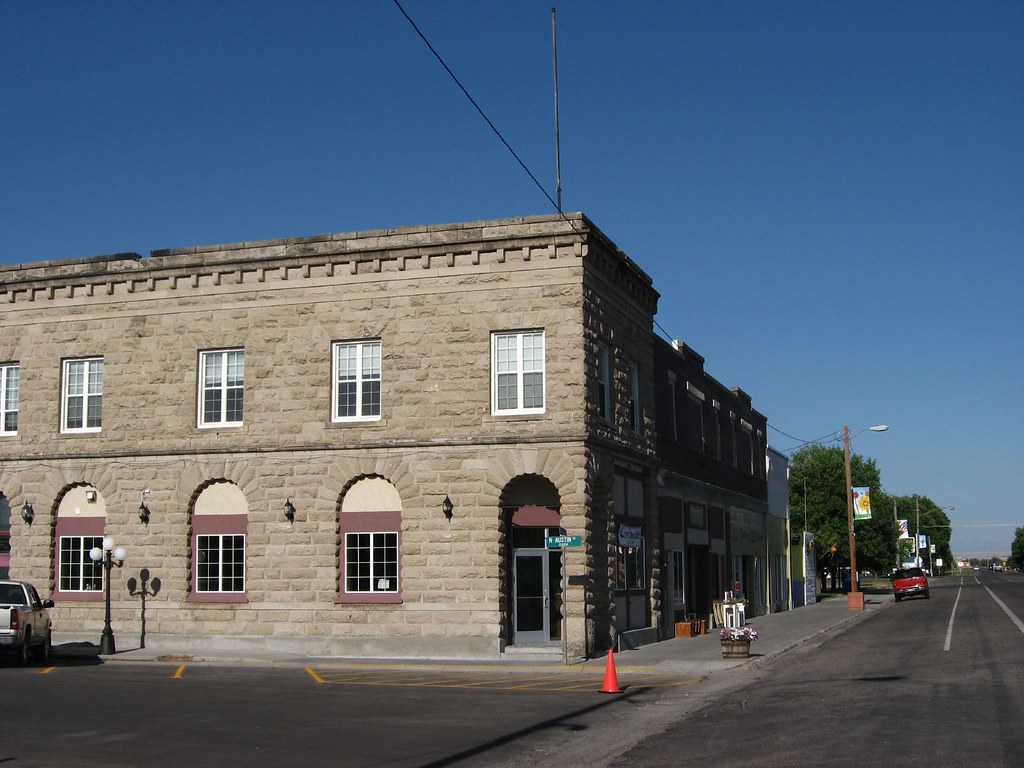
Residents across Austin continue to discuss the effects of local policy choices on housing access and public services in their immediate surroundings.
The timing stands out because several city processes involving development approvals and budget allocations have advanced in recent weeks, prompting people to weigh in on changes they encounter on a regular basis.
Neighborhood groups and individual households report that conversations at community meetings and online forums now center on how infrastructure projects and service adjustments intersect with rising costs for basic needs.
Everyday Accounts from City Blocks
People living in established residential areas note that traffic patterns and access to parks have become frequent topics when they gather with neighbors. Some mention that decisions made at city hall appear to favor larger projects over smaller maintenance items that affect routine commutes and family activities.
Others point to the way public transit routes and utility rate structures influence household budgets, with several describing adjustments they have already made to accommodate those shifts. These accounts come from long-term renters and homeowners alike who track notices posted by local agencies.
Business owners operating along main corridors add that customer foot traffic varies with construction timelines and event schedules, leading them to adjust operating hours or inventory plans accordingly.
Patterns Observed in Recent Discussions
Across multiple gatherings, participants describe a common thread: uncertainty about how upcoming reviews of zoning and permitting will settle. They reference materials distributed by city departments that outline timelines without final outcomes.
Qualitative patterns show residents comparing notes on how similar processes unfolded in prior years, focusing on whether promised improvements materialized at the street level. No single statistic dominates these talks; instead, people share observations about visible changes such as new signage or altered bus stops.
City officials have scheduled additional public comment periods in the coming weeks, giving community members further opportunities to submit observations tied to specific addresses and blocks.