news
Austin's Economy Diverges From Global Peers Amid Uncertainty
Factors shaping Austin’s economic resilience stand in contrast with other global cities amid uncertain global conditions.
How we reported this
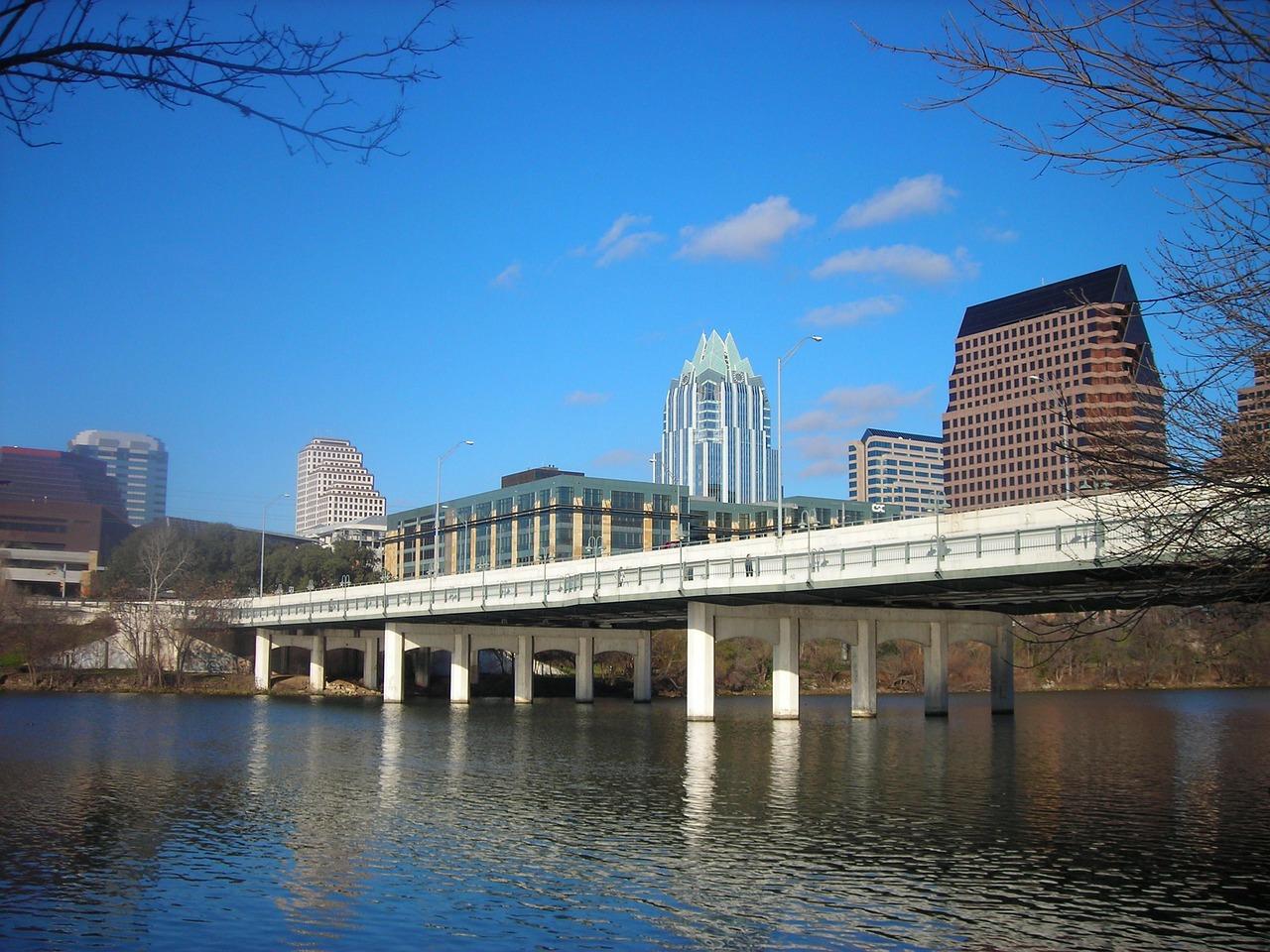
Austin’s local economy is navigating a period of adjustment much like other dynamic cities worldwide, yet with distinct factors influencing its trajectory. Economic uncertainty driven by international tensions and fluctuating markets has prompted closer scrutiny of how Austin is managing its growth and challenges compared with similar global hubs.
Why This Matters Now
The global economic backdrop is marked by mounting geopolitical risks and shifting trade patterns, exemplified by rising tensions between the U.S. and Iran. These developments raise concerns locally, as Austin’s economy is deeply integrated with global markets through its tech sector and supply chains. Understanding Austin’s handling of economic pressures is crucial for residents, policymakers, and investors as they anticipate potential impacts on jobs, housing, and municipal services.
Local Economy in Focus
While no recent statistical data specific to Austin’s economy is available from the sources consulted, the city’s landscape is defined by its concentration of technology firms, creative industries, and higher education institutions. The presence of the University of Texas and a growing number of startups contribute to a labor market that is both competitive and innovative. However, Austin’s economic health cannot be insulated from global trends; disruptions such as those posed by geopolitical tensions could influence investment, supply chains, and consumer confidence.
Unlike some other global cities where recent public health scares or disasters have directly impacted local economies, Austin has not faced such crises recently. Nonetheless, regional development plans around areas like downtown and the tech corridor near Research Boulevard continue to focus on building resilience against external shocks. Engagement between city officials and local enterprises aims at fostering economic diversification and sustainability.
Broadly, Austin’s economy faces challenges common to cities worldwide: inflationary pressures, housing affordability, and workforce shortages. Compared to large metropolitan areas with extensive manufacturing bases or heavy industry, Austin’s service-oriented economy shows different vulnerability patterns but remains susceptible to global market shifts.
Outlook and Practical Considerations
Without current quantitative benchmarks, local stakeholders are likely to monitor broad indicators such as employment trends, real estate pricing, and business activity closely in the coming months. Partnerships between the public sector and private enterprises will be critical in adapting economic strategies to ongoing global uncertainties. City leaders may emphasize support for innovation clusters and infrastructure improvement to maintain competitiveness.
For Austin residents and business owners, the practical advice is to stay informed about global developments influencing local markets and to engage in community economic programs when available. Diversification of skills and investments may also provide buffers against economic volatility.