policy
Austin's New Zoning Rules Aim to Shape Neighborhood Growth and Housing Costs
The city’s updated zoning and development policies will influence how and where residents can build homes and businesses, affecting affordability and urban density across Austin.
How we reported this
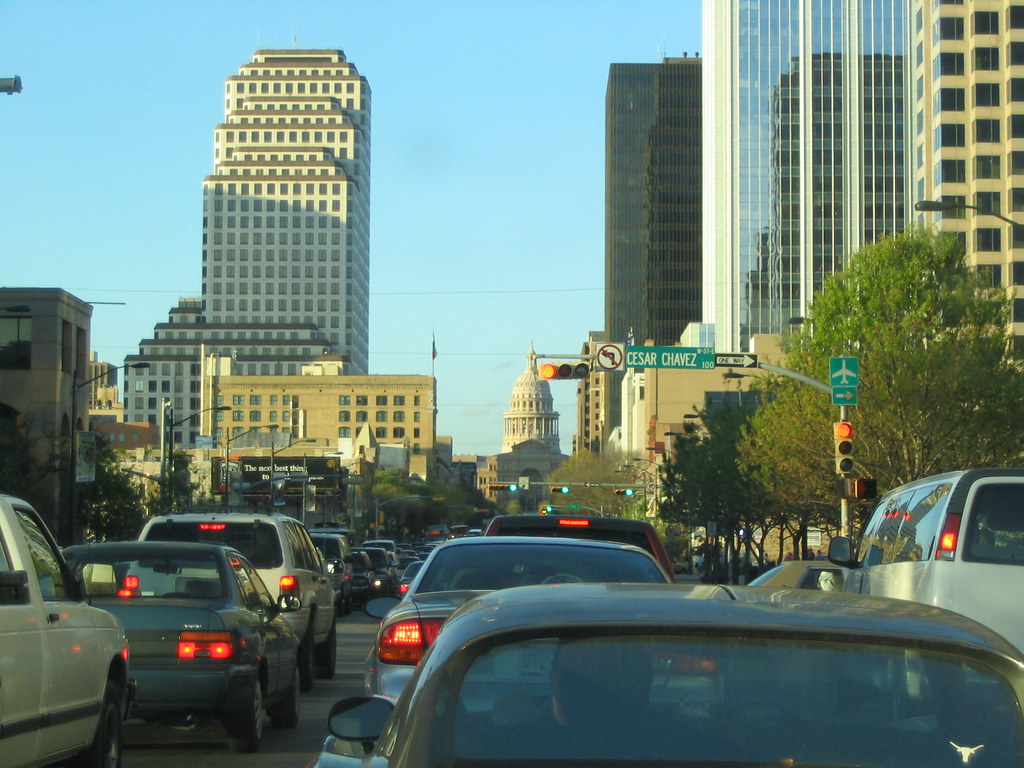
Austin city officials have recently implemented changes to the local zoning and development regulations, directly affecting homeowners, renters, developers, and local businesses. The updated rules modify allowable building heights, residential density limits, and commercial zoning designations, particularly in central and rapidly growing neighborhoods such as East Austin and South Congress.
This policy shift comes amid ongoing concerns over housing affordability and urban sprawl in Austin, a city that has experienced fast population growth exceeding 2.5% annually according to U.S. Census Bureau estimates. These changes respond to pressures from increasing demand for housing and commercial space while trying to preserve neighborhood character and access to services.
Impacts on Housing and Local Communities
The zoning updates specify increased density allowances in targeted corridors, meaning property owners and developers can build more units on certain parcels than under previous rules. For instance, multi-family developments may now reach up to five stories in areas previously restricted to two or three stories. Local housing advocates note this could help increase the supply of rental units, potentially easing upward pressure on rents, which had grown 12% citywide over the last two years per Austin Board of Realtors data.
However, community groups caution that increased density does not guarantee affordable pricing without complementary policies. The city’s updated codes include voluntary affordable housing incentives, such as density bonuses for developers including low-income units, but these remain optional. Moreover, some residents in historically single-family neighborhoods express concerns about increased traffic congestion and infrastructure strain.
Statistical Context and Future Developments
The latest Austin budget documents allocate $25 million this fiscal year toward infrastructure improvements aligned with higher density zones, including street upgrades and public transit enhancements. This investment aims to support projected population growth of 900,000 residents by 2030, according to city planning forecasts. Policy analysts argue that synchronized infrastructure and zoning reforms are critical to managing growth sustainably.
City planners will continue monitoring development applications under the new code and plan public workshops over the next six months to collect resident feedback. Adjustments to the zoning regulations remain possible following review of early implementation outcomes. Meanwhile, housing affordability and urban form will remain key focal points for Austin city staff and advocacy organizations alike, reflecting the city’s evolving needs and priorities.