policy
Austin’s New Environmental Regulations Tighten Emissions Limits Impacting Residents’ Energy Costs and Local Businesses
The updated regulations aim to reduce pollution but may lead to higher energy bills and operational changes for Austin residents and businesses.
How we reported this
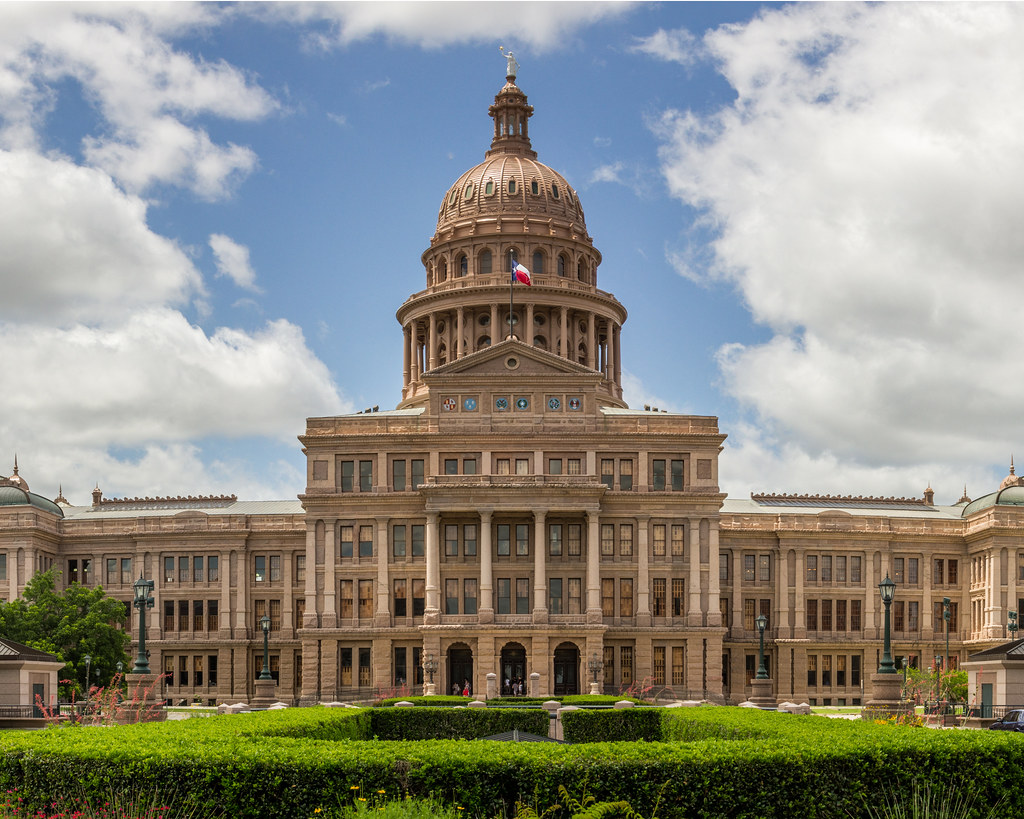
Austin city officials have adopted stricter environmental regulations on industrial emissions and energy use, targeting significant reductions in air pollutants by 2030. The policy, effective immediately, applies to manufacturing plants, power generation facilities, and large commercial buildings across Travis County, directly affecting several thousand residents and workers in Austin’s industrial and commercial sectors.
The move comes as Austin faces growing concerns about air quality and climate resilience amid rising local temperatures and health issues linked to pollution. The city’s 2026 Air Quality Report highlighted a 7% increase in ozone levels over the past three years, intensifying calls for stronger environmental standards. Additionally, the new regulations align with state and federal climate targets, aiming to reduce greenhouse gas emissions by 40% below 2005 levels within the next decade, as stated in the city’s latest climate action plan.
Impact on Energy Costs and Local Businesses
The updated rules establish lower emission thresholds for nitrogen oxides and particulate matter, requiring affected facilities to invest in cleaner technology or adopt operational changes. For Austin residents, this could translate to higher utility bills. Energy providers are expected to pass some compliance costs onto consumers to finance upgrades to cleaner power plants and infrastructure. Analysts estimate residential electricity rates could increase by 4 to 7% over the next three years to cover these investments, according to a city budget impact forecast released in June 2026.
Local manufacturers and commercial property owners will also face increased compliance expenses. Facilities exceeding the new emission limits must implement advanced filtration and monitoring systems, or reduce production hours during peak pollution periods. These requirements could affect over 150 businesses in neighborhoods including East Austin and the Riverside corridor, where industrial activity remains concentrated. The city’s environmental office projects compliance funding to total nearly $45 million over five years, partly supported by state grants but requiring substantial private investment.
Community Health and Next Steps
City officials note that despite cost challenges, the regulations are intended to improve public health outcomes. Recent studies link reductions in air pollutants to lower rates of asthma and respiratory illnesses among vulnerable populations in Austin, especially children and the elderly. Policy documents foresee a projected decline in pollution-related hospital admissions by 12% by 2030 if targets are met.
Moving forward, Austin’s Environmental Department will oversee a phased compliance timeline through 2029, including quarterly reporting and public transparency measures. Residents and businesses will have access to technical assistance programs funded through the city budget and state environmental grants. Additionally, a community advisory board, consisting of neighborhood representatives and industry stakeholders, will convene later this year to monitor implementation progress and recommend adjustments.
The city council has committed to reviewing the policy’s impacts with an official report due by mid-2028 to assess whether emissions targets are attainable without placing excessive strain on residents and local economies. Meanwhile, residents can expect communications from utility companies and city agencies outlining how to manage energy consumption and participate in new incentive programs designed to mitigate cost increases.