property
Austin Real Estate: What’s Driving Prices Up and What Buyers Should Know Now
New developments around East Austin and Mueller are reshaping the market as rising construction costs and regulatory changes take hold.
How we reported this
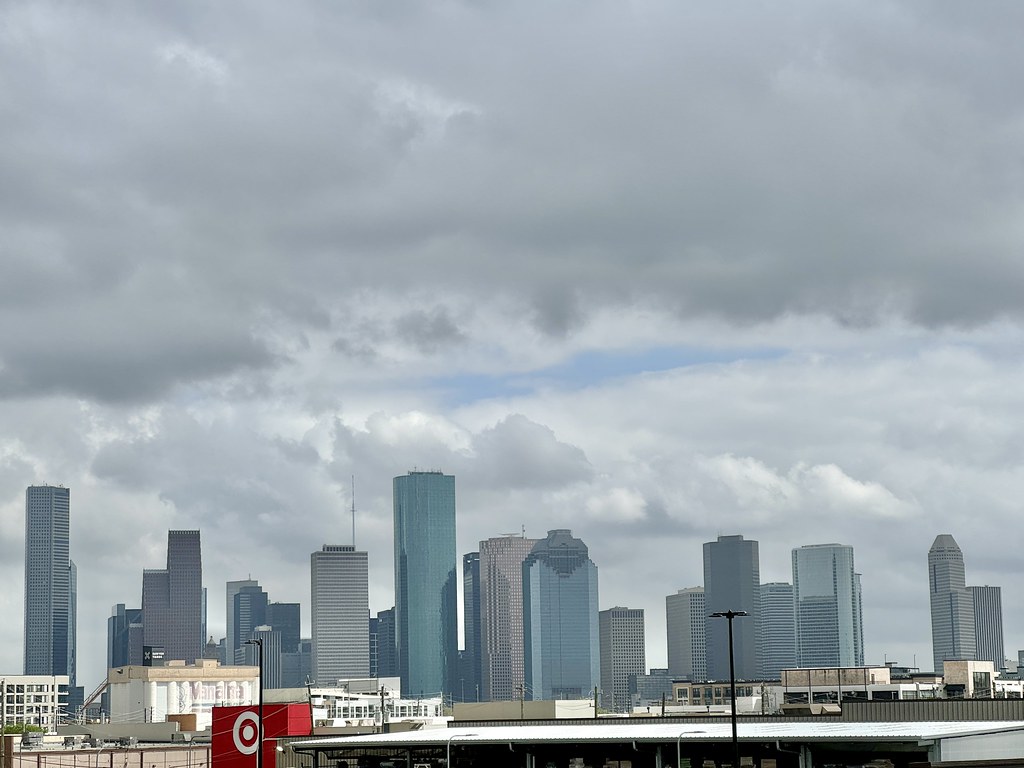
Austin's real estate market is seeing notable upward pressure on home prices, with recent developments near East Austin and the Mueller neighborhood illustrating key forces behind this shift. Buyers should be aware of factors ranging from supply chain impacts to new zoning policies influencing current pricing trends.
Why Price Growth Is Accelerating in Austin
The surge in Austin property values has been sustained by a combination of increased demand fueled by continued population growth and limited new housing stock. According to the Austin Board of Realtors’ June 2026 market report, the median single-family home price rose 6.5% year-over-year, reaching $520,000. Key drivers include rising costs of building materials and labor shortages, compounded by recent city ordinances affecting land use and development timelines.
Moreover, infrastructure improvements and proximity to job centers remain vital. The expansion of the Capital MetroRail Red Line, which serves neighborhoods like Crestview and Highland, enhances accessibility, boosting desirability in areas once considered peripheral. These transportation developments make the eastern corridors more attractive, thereby contributing to price gains.
Local Developments Shaping Market Dynamics
Recent projects like the Dock 6 Residences on East 6th Street and the ongoing Phase Two of the Mueller Mixed-Use complex stand out as examples of Austin's real estate evolution. The Dock 6 project, completed just last month, added 150 residential units with retail spaces, introducing modern urban living options ideally suited for younger professionals. The Mueller development continues to expand its community amenities with additional parks and a new elementary school, solidifying its appeal for families.
Additionally, Austin’s Land Development Code updates enacted in early 2026 have increased building permit requirements for multi-family units, impacting developer timelines and costs. The changes intend to improve neighborhood integration but have inadvertently contributed to slower construction approvals, thereby reducing short-term housing supply.
Price Data and What Buyers Should Prepare For
According to data from the Texas A&M Real Estate Research Center, construction costs in Austin have increased by approximately 10% since the start of 2025, influenced by tariffs on imported materials and ongoing supply chain disruptions. The average price per square foot for new developments in neighborhoods like East Austin is now around $350, reflecting these increased expenses.
Buyers seeking homes in Austin should anticipate competitive bidding in desirable pockets and consider the impact of rising mortgage rates, which the Federal Reserve recently raised by 0.25%, affecting affordability. Additionally, with new developments incorporating sustainability features such as energy-efficient systems and green spaces, pricing may reflect these value-added elements.
Future developments in the Riverside corridor and increased density allowances in the Domain area suggest that while supply is constrained now, these projects could eventually provide some relief to affordability pressures by the end of 2027.
What Buyers Need to Know Moving Forward
Prospective buyers should act swiftly but strategically. Consulting with local real estate agents who have expertise in navigating navigating new zoning regulations and understanding neighborhood trajectories will be critical. Those eyeing entry-level properties might also explore city incentive programs like the Austin Homebuyer Assistance Program, which continues to offer down payment support for eligible residents.
In a market where prices and regulatory landscapes are evolving rapidly, staying informed about neighborhood-specific developments and timing purchases around project completions can enhance buyer outcomes. Monitoring Austin’s permitting office updates and upcoming Infrastructure Investment Plan releases will provide early insights into shifting supply conditions.
Ultimately, while price growth poses challenges, new developments in Austin promise diverse housing options and community improvements that could appeal to a wide range of buyers prepared to engage with a competitive market.
This article is general information only and is not personal financial or investment advice. Consider your own circumstances and seek licensed professional advice before making financial decisions.