property
Mixed-Use Development Austin: How Infill Projects Tackle Housing
Austin's zoning shift enables mixed-use infill projects combining residential, retail, and office space. Discover how these developments address the city's affordable housing shortage.
How we reported this
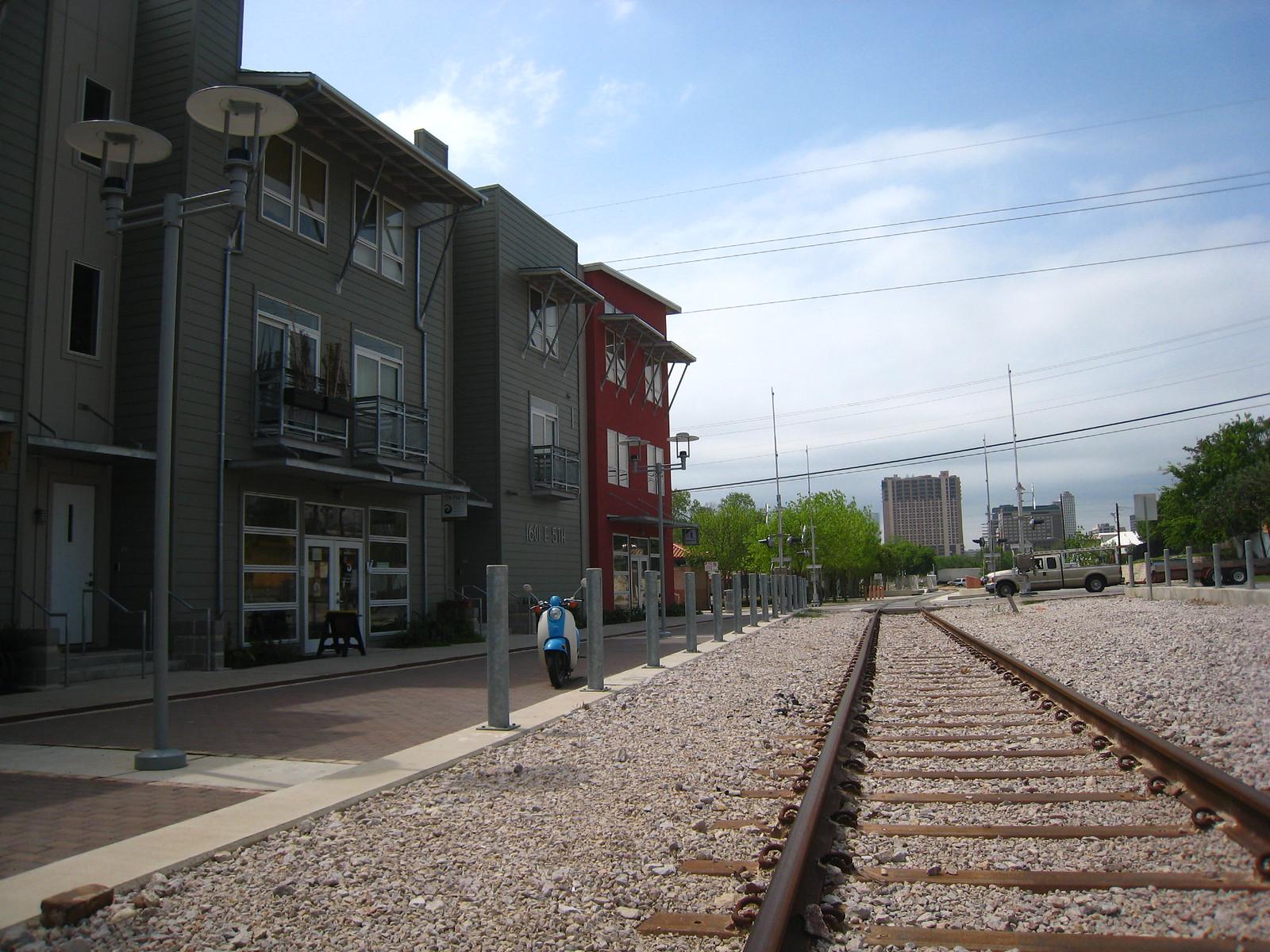
Austin's property market is experiencing a quiet but significant shift. While headline-grabbing megaprojects like the Four Seasons Private Residences Lake Austin command attention with their eight-figure price tags, a more democratic transformation is unfolding in established neighborhoods across the city.
Mixed-use development-the strategic combination of residential, retail, and office space-is emerging as Austin's answer to its persistent housing shortage. Unlike the luxury-focused projects dominating recent coverage, these infill developments are targeting middle-income residents and small business owners who've been priced out of traditional real estate markets.
Recent zoning approvals in neighborhoods like Mueller and East Austin signal a fundamental reorientation in how the city thinks about density. Rather than sprawling outward into the Hill Country, planners are encouraging vertical growth in established precincts where infrastructure already exists. This approach promises shorter commute times and revitalized commercial corridors that have struggled since the pandemic acceleration of remote work.
The economics are compelling. Mid-rise mixed-use projects typically deliver 150-250 residential units per acre, compared to 8-12 units for traditional suburban development. Early data suggests pricing for these apartments ranges from $1,800 to $2,400 monthly for one-bedrooms-significantly below Austin's current median rent of $2,100 for comparable units, when factoring in ground-floor commercial revenue streams that offset construction costs.
However, Austin's economic slowdown-evident in construction permit delays and contractor deferrals-has tempered developer enthusiasm. Recent slowdowns in residential approvals suggest the market is digesting an oversupply of speculative luxury projects while institutional investors reassess risk. This creates an opportunity for thoughtfully-planned infill that prioritizes community integration over maximum extraction.
The Washington and Pine corridor project represents the template emerging across Austin. By integrating housing, retail, and civic amenities, these developments create street-level vitality that pure residential towers cannot achieve. Preliminary leasing data shows strong demand for ground-floor retail spaces, particularly among local food businesses and service providers who've been squeezed by rising commercial rents elsewhere.
What distinguishes this moment is the policy momentum. City Council's recent moves toward form-based zoning and reduced parking minimums are directly enabling these projects. Unlike the contentious neighborhood opposition that stalled similar proposals five years ago, community groups increasingly recognize that thoughtful density is preferable to car-dependent sprawl.
As Austin navigates its economic correction, mixed-use infill may prove the most resilient development model. These projects create housing, commerce, and employment in single integrated packages-exactly what Austin needs as it matures beyond its growth-at-any-cost era.
This article is general information only and is not personal financial or investment advice. Consider your own circumstances and seek licensed professional advice before making financial decisions.