Austin households are spending an average of $1,200 per month on food, according to 2025 Bureau of Labor Statistics consumer expenditure data for the Austin-Round Rock metro area — about 14 percent above the national median. For dual-income families juggling school pickups on South Lamar and ten-hour workdays downtown, that number is forcing a hard rethink of how meals get planned, bought, and cooked.
The timing matters. July heat sends most Austinites indoors by noon, which paradoxically creates one of the better windows of the year for spending a Sunday morning organizing the week's food. Schools are out, routines are looser, and the Central Texas summer has a way of clarifying just how miserable a last-minute fast-food run at 7 p.m. in 103-degree heat actually feels. Nutritionists and dietitians working with Austin-area clients say they see a spike in meal prep consultations every June and July, when the chaos of summer schedules collides with family budgets already strained by travel and childcare.
Where Austin Families Are Getting Help
Seton Healthcare Family Centers, which operates clinics across the metro including locations on North Lamar Boulevard and in the St. David's system, have integrated registered dietitian services into their primary care model since 2023. Patients can now book a 45-minute nutrition consultation alongside a routine physical — a practical change that means busy parents aren't making a separate trip across town for dietary advice. The program is covered under most major Texas health plans.
On the community side, the Sustainable Food Center, headquartered on East Cesar Chavez Street, runs the Cooking Matters program, a six-week hands-on course that teaches low- to moderate-income families how to cook healthy meals on tight budgets. The summer 2026 session, which runs through late July, focuses specifically on batch cooking techniques — roasting two sheet pans of vegetables at once, cooking large quantities of beans and grains, and portioning proteins for the week ahead. Registration costs nothing, and the center provides all ingredients.
Central Market on North Lamar and the HEB locations on William Cannon Drive and in the Brodie Lane corridor have both expanded their bulk grains and dry goods sections in the past 18 months, responding directly to customer demand for meal prep staples. A two-pound bag of dry black beans at HEB runs about $2.49. That same bag, properly prepared and portioned, can anchor four to five dinners for a family of four — a stark contrast to the $47 average ticket for a family takeout order from a sit-down restaurant on South Congress Avenue.
The Practical Framework That Actually Works
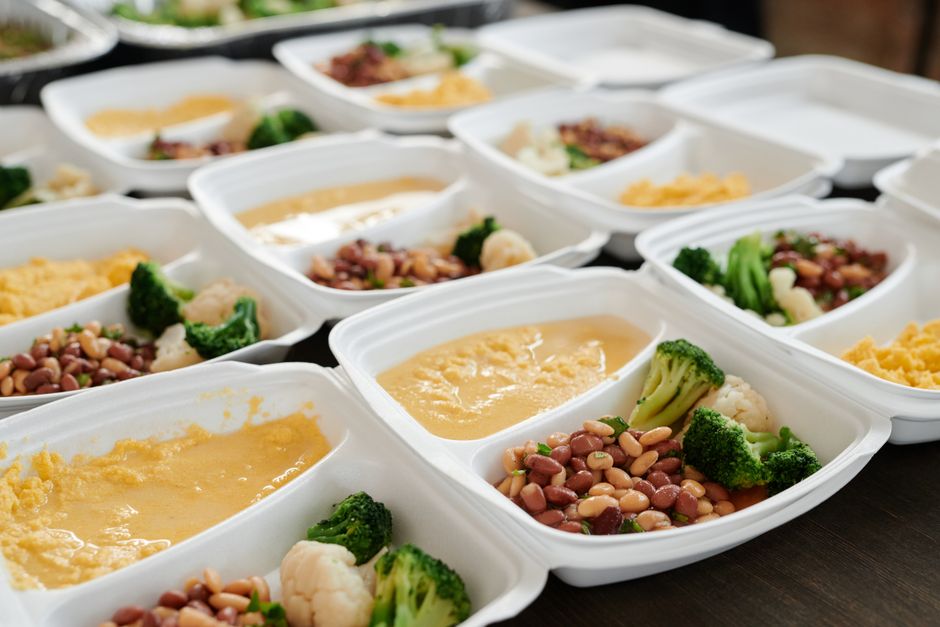
Dietitians working with families in the 78704 and 78745 zip codes — dense, working-class and young-professional neighborhoods in South Austin — tend to recommend a three-category approach rather than cooking full meals in advance. Cook one versatile protein, such as chicken thighs or ground turkey, in a large batch on Sunday. Roast a sheet pan of whatever vegetables are cheapest that week. Cook a base carbohydrate — brown rice, farro, or lentils. Those three components recombine into different meals across five nights: grain bowls, tacos, soups, wraps. The variety prevents the burnout that kills most meal prep efforts by Wednesday.
Storage matters, too. Glass containers hold up better in Austin's heat during transport and don't leach chemicals when reheated, but they're an investment. The Container Store at the Domain Northside carries the Pyrex 18-piece set for around $45, which most families can work through in two to three years. Dollar Tree locations citywide carry serviceable plastic containers for a dollar each — a lower-stakes entry point for households trying the system for the first time.
For anyone wanting structured guidance rather than trial and error, the Sustainable Food Center's next open enrollment for Cooking Matters opens August 4. The Austin Public Library's Howson Branch on West 34th Street also hosts monthly free nutrition workshops in partnership with local registered dietitians — the next session is scheduled for July 22. Consulting a local physician or registered dietitian before making significant dietary changes remains the smartest first call for any family managing specific health conditions.