Wellness
Protein Sources Beyond Meat: A Local Guide
Austin's plant-forward food scene is making it easier than ever to hit your daily protein targets without a single bite of chicken or beef.
4 min read
Updated 4 h ago
Wellness
Austin's plant-forward food scene is making it easier than ever to hit your daily protein targets without a single bite of chicken or beef.
4 min read
Updated 4 h ago
Austinites are eating more protein than ever — and increasingly, it isn't coming from a grill. Across ZIP codes from 78702 to 78745, grocers, co-ops, and fast-casual restaurants are expanding their non-meat protein offerings at a pace that reflects a genuine shift in how this city eats. The question is no longer whether plant-based protein can sustain an active lifestyle. The question is where to find the best of it.
The timing matters. Austin's population has grown sharply over the past decade, and with it a younger, fitness-conscious demographic that bikes the Butler Hike-and-Bike Trail, trains at gyms along South Congress, and tracks macros with the same intensity once reserved for marathon training plans. At the same time, beef prices at Central Texas supermarkets have climbed steadily, making lentils and tofu look less like a lifestyle choice and more like a financially sensible one. A pound of 90-percent-lean ground beef at an H-E-B on North Lamar regularly runs above $7. A pound of dried green lentils from the same store sits closer to $2.
Wheatsville Food Co-op on Guadalupe Street remains one of the most concentrated sources of non-meat protein in Central Austin. The bulk bins alone stock at least a dozen legume varieties — black-eyed peas, chickpeas, red lentils, split peas — alongside hemp seeds and nutritional yeast, both of which pack a meaningful protein punch per serving. Hemp seeds run roughly $10 to $12 per pound in bulk, but a two-tablespoon serving delivers around 10 grams of protein with a fat profile that sports dietitians tend to approve of. Wheatsville also carries a rotating selection of tempeh from local and regional producers, and tempeh's fermentation process gives it a digestibility advantage over some other soy products.
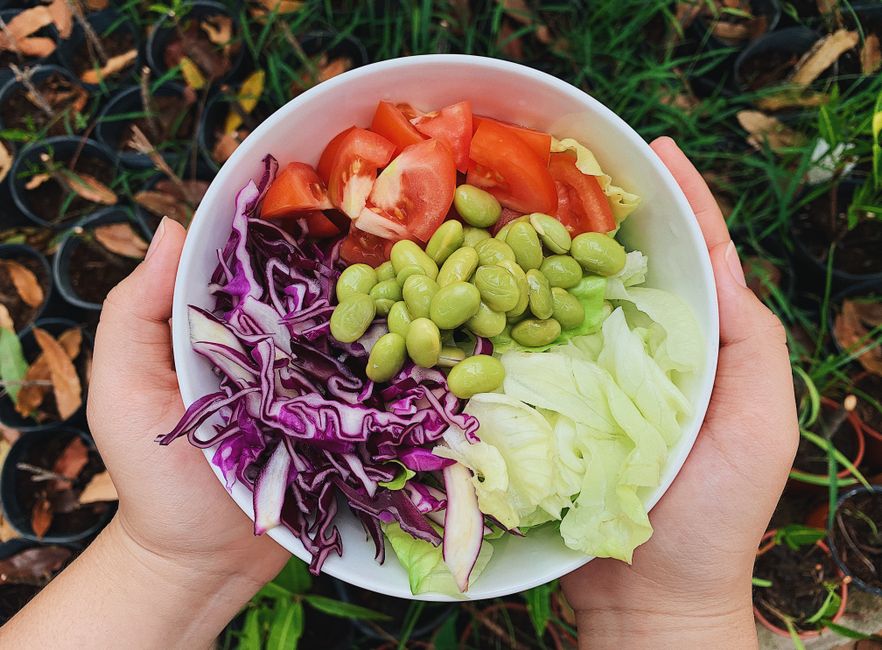
Thom's Market on Manor Road in the East Austin corridor stocks an unusually wide range of canned and dried pulses alongside cottage-industry protein products — think sprouted chickpea flour and black bean pasta — that have moved from specialty shelves into mainstream weekly shopping. For prepared food, Cover 3 on West 6th has long included edamame-based dishes and lentil-heavy salads on its menu, and spots like Arlo's food truck on South Congress Avenue have built entire menus around jackfruit and seitan without trying to hide the fact.
Eggs remain the undefeated budget protein in Austin's non-meat category. A dozen large eggs from a backyard-hen operation at the SFC Farmers' Market Downtown — held on Saturdays at Republic Square Park — typically sells for $6 to $8 and delivers roughly 72 grams of complete protein per dozen. Greek yogurt, cottage cheese, and kefir from local producer Pure Luck Farm and Dairy fill the dairy aisle at several Eastside grocers and offer similar complete amino acid profiles at accessible price points.
Registered dietitians who work with Austin-based athletes generally recommend somewhere between 1.2 and 2 grams of protein per kilogram of body weight for people with active training schedules — a target that's achievable on an entirely plant-based diet with some planning. The key variables are protein completeness and total caloric volume. Combining grains with legumes across the day — rice and black beans, whole-wheat pita with hummus, oat porridge with hemp seeds — covers the full essential amino acid spectrum without requiring any single meal to do all the work.
Tofu deserves a separate mention for its versatility and cost-efficiency. Extra-firm varieties, pressed and pan-fried, absorb marinades well and hold up in high-heat cooking. A 16-ounce block from Central Market on North Lamar costs around $3.50 and delivers roughly 36 grams of protein — numbers that stack favorably against almost any other food at that price point in the city.
For Austinites ready to overhaul their protein sourcing, the practical starting point is a single weekend trip: SFC Farmers' Market for eggs and seasonal legumes, Wheatsville for bulk seeds and tempeh, and one stop at an H-E-B for canned chickpeas and Greek yogurt. That one circuit can stock a kitchen for a high-protein week at well under $40. Consulting a registered dietitian affiliated with Austin Regional Clinic or CommUnityCare Health Centers can help tailor amounts to individual health goals and any underlying conditions before making major dietary changes.
About this article
Published by The Daily Austin
Spread the word
Daily brief
Free, in your inbox before 7am. Weekdays.