Wellness
Austin's Heat, Light, Noise Disrupt Sleep Quality Nightly
Austin's summer conditions and urban layout turn these three elements into daily obstacles for consistent rest.
2 min read
Updated 29 min ago
Wellness
Austin's summer conditions and urban layout turn these three elements into daily obstacles for consistent rest.
2 min read
Updated 29 min ago
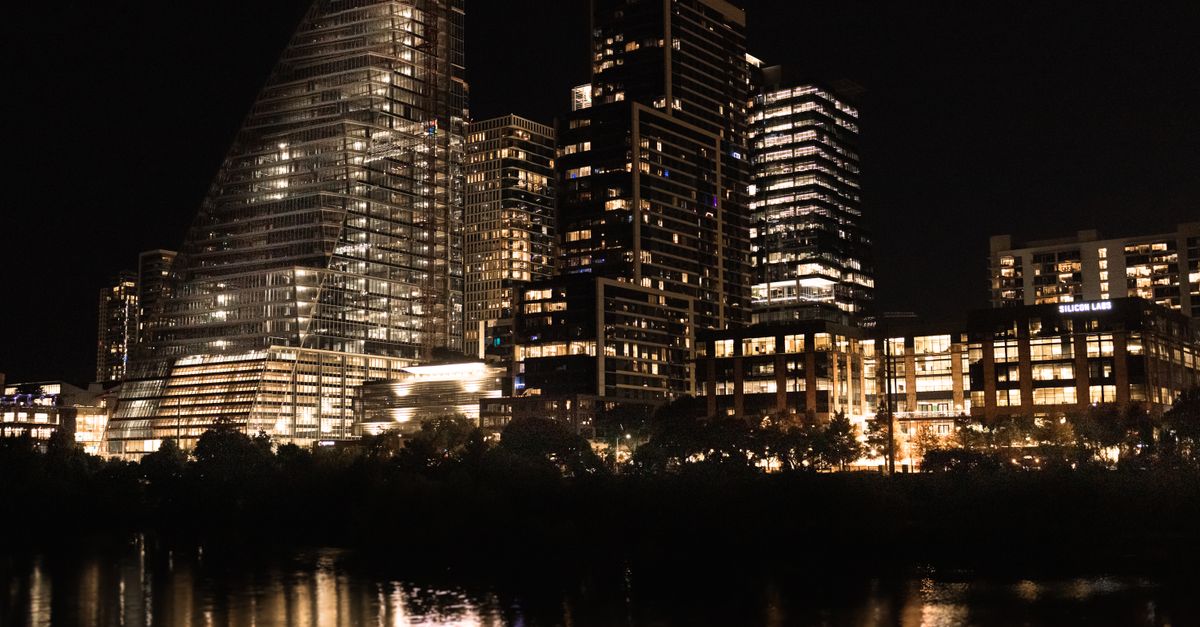
Residents across central Austin report waking multiple times each night when bedroom temperatures climb above 72 degrees, streetlights filter through windows and traffic rumbles continue past midnight.
July heat that routinely reaches 95 degrees forces air conditioners to run longer, yet many homes built before 2010 lack the insulation needed to hold steady overnight temperatures. At the same time, new apartment buildings along East Riverside Drive keep exterior lighting on until 2 a.m., and the constant flow of vehicles on Interstate 35 creates low-frequency noise that travels through older single-pane glass.
Whole Foods Market employees living near the Domain have started tracking indoor readings with inexpensive sensors that show rooms stay five degrees warmer than outdoor evening lows. The Austin Parks and Recreation Department runs a free workshop series at the Dougherty Arts Center on East 6th Street that teaches residents how to use ceiling fans and blackout shades to drop bedroom temperatures without raising electricity bills above $180 a month.
A 2025 University of Texas study of 1,200 Travis County adults found that participants who kept bedrooms between 64 and 68 degrees fell asleep 22 minutes faster on average than those whose rooms stayed at 74 degrees or higher.
People who walk the Ann and Roy Butler Hike-and-Bike Trail at dusk often notice how quickly artificial light from nearby high-rises resets their internal clocks. Simple steps such as installing blackout curtains from stores on South Lamar Boulevard and using white-noise machines set to 45 decibels have helped Hyde Park households cut awakenings by half, according to a March 2026 survey conducted by the Austin Wellness Collaborative.
Setting a consistent 10 p.m. cutoff for screens and placing phones in another room reduces melatonin suppression, while sealing window gaps with weather stripping available at hardware outlets on Burnet Road limits outside noise. Residents who continue to struggle after these adjustments should speak with a primary-care provider about local sleep evaluations offered through UT Health Austin.
About this article
Published by The Daily Austin
Spread the word
Daily brief
Free, in your inbox before 7am. Weekdays.