wellness
Evening Device Use Delays Sleep, Austin Research Confirms
Studies tie evening device habits directly to delayed melatonin release and shorter rest periods for adults in Central Texas.
Listen in English · 3 min
How we reported this
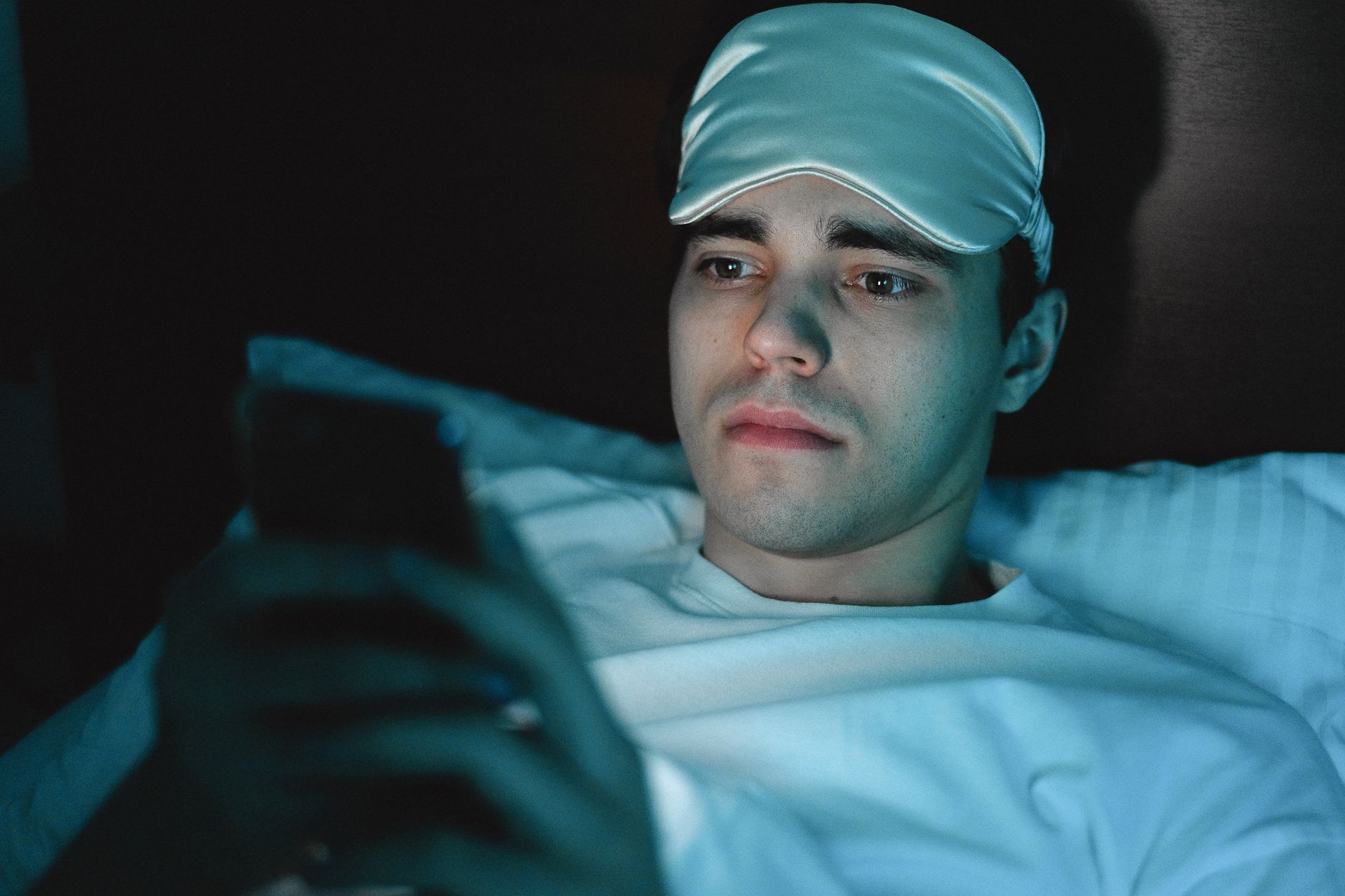
Evening screen exposure can delay melatonin onset, according to controlled trials that measured hormone levels after device use before bed.
The finding is relevant in Austin because high daytime temperatures keep residents indoors longer after sunset, extending the window when phones and laptops remain in hand. Local health data show Travis County adults average less than seven hours of sleep on weeknights, below the threshold linked to higher daytime fatigue and blood-pressure readings.
Programs on the ground
Two Austin organizations have started offering evening workshops that target the habit. The YMCA branch on East Fifth Street runs a series that pairs light yoga sequences with device curfews, while the Thinkery on Burnet Road added a monthly parent session that reviews sleep-tracker data from families. Both programs opened registration and filled quickly, reflecting demand from households.
Researchers at Dell Medical School tracked Austin participants and recorded an increase in total sleep time once participants moved phones out of the bedroom and enabled night-mode filters after 9 p.m. The same group reported a drop in self-rated stress scores on standardized questionnaires.
Next steps for residents
City libraries on Cesar Chavez Street now lend blue-light blocking glasses for one-week periods, and several South Lamar coffee shops have posted quiet-hour policies that discourage laptop use after 8 p.m. Residents who cut screen time by one hour before bed report falling asleep faster on average, based on follow-up surveys collected through the same Dell Medical School study. Those who want to test the effect can start by setting a recurring phone alarm at 9:30 p.m. that dims the display and silences notifications until morning.