Property
Austin Home Prices 2026: Shift to Buyer's Market
Austin's cooling real estate market favors strategic buyers in 2026. Inventory rises, price cuts increase in East Austin and South Congress as seller's market ends.
2 min read
Property
Austin's cooling real estate market favors strategic buyers in 2026. Inventory rises, price cuts increase in East Austin and South Congress as seller's market ends.
2 min read

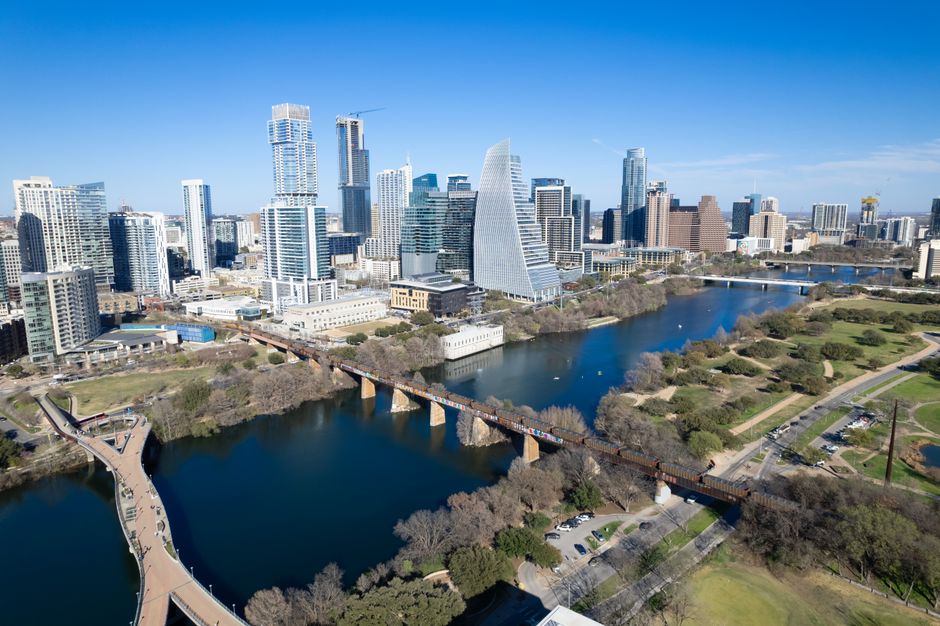
Austin's property market is experiencing a fundamental recalibration. After years of explosive growth that pushed median home prices beyond $500,000, the Texas capital is settling into a more measured pace—one that's reshaping opportunities for both buyers and sellers across the metro area.
The shift is most visible in established neighborhoods like East Austin and South Congress, where price cuts have become increasingly common. Sellers who once fielded multiple offers within hours are now adjusting expectations. Data shows that homes listed in these precincts are staying on the market 15-20% longer than they did in 2024, signaling that the days of bidding wars are largely behind us.
"We're moving from a seller's market to a buyer's market," explains local market analysts tracking Austin's trajectory. The inventory-to-sales ratio has ticked upward, giving purchasers genuine negotiating power for the first time in five years. For first-time buyers—a demographic hammered by affordability constraints—this represents a meaningful opening.
West Lake Hills and the Domain area continue commanding premium prices, with homes in the $600,000-plus range still attracting interest, but even these traditionally resilient submarkets are showing signs of moderation. Meanwhile, emerging areas around North Austin and towards Round Rock are emerging as value destinations, with comparable properties running 12-18% below central Austin equivalents.
The broader trend reflects economic headwinds: mortgage rates hovering near 7%, rising construction costs, and tech sector uncertainty have tempered the relentless demand that characterized Austin's 2020-2023 boom. The city's population growth continues—Austin still attracts roughly 150 new residents daily—but that influx is no longer automatically translating to bidding frenzies.
What does this mean for 2026? Smart sellers are pricing realistically from day one and investing in genuine upgrades rather than hoping for bidding wars. Buyers, meanwhile, should capitalize on improved selection and negotiating leverage, but shouldn't expect prices to plummet—Austin remains fundamentally supply-constrained and remains an attractive relocation destination.
The market's new equilibrium suggests a return to fundamentals: property quality, location, and realistic pricing matter more than ever. For Austin's real estate sector, that's probably healthy. Sustainable growth beats unsustainable bubbles every time.
This article was compiled by AI and screened before publishing. See our editorial standards.
Property
Property
Property
Property
About this article
Published by The Daily Austin
Spread the word
Daily brief
Free, in your inbox before 7am. Weekdays.
The Daily Network — local news across Australia