Property
Suburbs Where Buying is Now Cheaper Than Renting: Austin's New Housing Math
Rising rents and stabilizing home prices are turning the tables in several of Austin's emerging neighborhoods.
3 min read
Property
Rising rents and stabilizing home prices are turning the tables in several of Austin's emerging neighborhoods.
3 min read
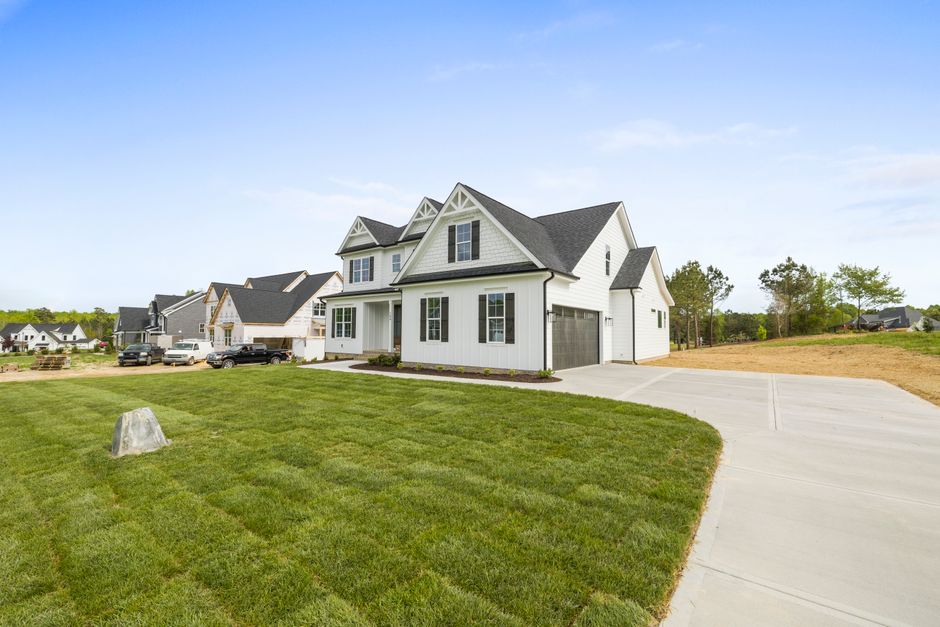
The numbers are flipping for Austin renters weighing a move to the suburbs. For the first time in years, local data shows it’s now cheaper in parts of Central Texas to buy a starter home than to continue renting.
The shift comes as soaring rental demand outpaces inventory, driving up monthly apartment rates, while home prices in select ZIP codes have leveled off or—particularly in the commuter belt—even dipped. It’s a rare pocket of relief for frustrated house hunters in a market that’s been notoriously out of reach for much of the past decade.
Leander, just north of the new Austin FC training facility, and Manor, anchored by Decker Lake and a fast-growing tech sector, are now leading the charge for would-be buyers. In both towns, mortgage brokerages like Austin Capital Home Loans report a 19% jump in first-time home loan applications this spring, buoyed by word that a typical monthly mortgage outlay sits well below median rents.
In Leander, a three-bedroom house along Crystal Falls Parkway now lists below $335,000. At today’s rates—6.5% for a 30-year fixed mortgage—monthly payments hover around $2,250 with 5% down, including taxes and insurance. By comparison, comparable leases on newer apartments in the same corridor run $2,450 to $2,750, according to the June market survey by the Austin Board of Realtors (ABoR).
Manor shows a similar tilt. A recently built home in the Lagos community is available for $310,000, with buyers seeing total payments close to $2,050 a month—some $350 less than average rents for three-bedroom units tracked along U.S. 290. Even closer to Austin’s core, places like Del Valle and the area around McKinney Falls State Park are showing narrowing rent-buy gaps, with homebuilders such as Lennar rolling out incentives like 3% closing cost coverage to lure tenants into ownership.
What’s triggering the change? The city’s rental vacancy rate sits near a 15-year low of 4.3%, according to May data from ApartmentData.com, driving median Austin-area rent for a three-bedroom unit to an all-time high of $2,430 a month. Meanwhile, the median single-family home price in the metro area has fallen 6.2% from its 2022 peak, now landing at $425,000 according to ABoR’s latest report. The gap is most pronounced in newly developed stretches in the 78641 (Leander) and 78653 (Manor) ZIP codes, where price growth has cooled and the supply of entry-level homes has ticked up.
Down payment assistance programs through the City of Austin’s Neighborhood Housing and Community Development are also helping to close the deal for renters with modest savings, with income-eligible buyers receiving up to $40,000 in purchase aid in 2026.
For renters, the message is clear: The suburbs may now offer a realistic pathway to homeownership without ballooning costs. Real estate analysts at Hays County Title caution that property taxes can vary and buyers should factor in HOA dues and projected insurance hikes. Still, for many, the math is shifting in their favor for the first time since Austin’s pandemic-era growth boom.
The market’s next test comes this fall, when new listings typically rise ahead of winter. Buyers are advised to check income caps and eligibility windows for local assistance programs, compare net monthly costs, and move fast if the right starter home crops up. In a region better known for multi-year bidding wars, the new affordability dynamic could give today’s renters the best shot they’ve had in years at making the suburbs home.
About this article
Published by The Daily Austin
Spread the word
Daily brief
Free, in your inbox before 7am. Weekdays.
The Daily Network — local news across Australia