Property
Is Renting Actually Cheaper Than Buying Right Now in Austin?
Surging home prices and high interest rates are changing the calculus for renters and would-be buyers across key Austin neighborhoods.
3 min read
Property
Surging home prices and high interest rates are changing the calculus for renters and would-be buyers across key Austin neighborhoods.
3 min read
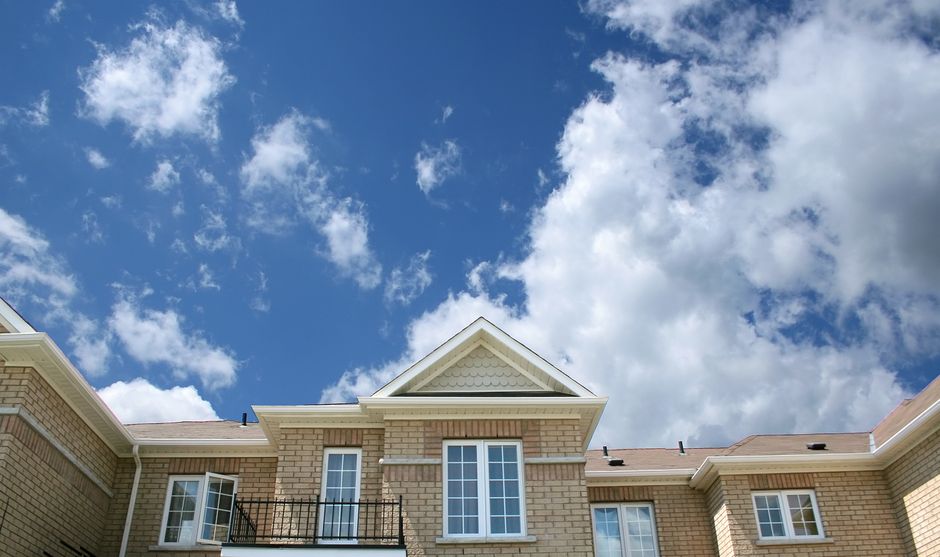
For the first time in more than a decade, renters in several central Austin neighborhoods are paying substantially less each month than homeowners covering a mortgage on a comparable property. That surprising gap is forcing many would-be buyers to rethink whether now is the right moment to take the plunge.
The affordability calculus matters more than ever as Austin’s home values continue to outpace wage growth. With mortgage rates hovering above 6.8% for a 30-year fixed loan, the financial break-even between renting and buying has shifted—sometimes dramatically—in areas like Clarksville and Mueller. For thousands of Austinites facing lease renewals or pondering open houses, the economics are striking.
Consider Clarksville, a favorite for young professionals thanks to its walkability and proximity to the heart of downtown. According to Zillow data provided last week, the median rent for a two-bedroom apartment along West Lynn Street runs about $2,175 per month. By contrast, buying a similar home nearby, even with a 20% down payment, sends estimated monthly outlays—including principal, interest, taxes, and insurance—well north of $3,100. In Mueller, east of I-35, rents for two-bedroom units average $2,450, while mortgage payments on a median-price home in the district now approach $3,400. "It’s the widest rent-buy gap we’ve charted in Austin since before the pandemic," said Emily Chen, a housing analyst at local real estate firm Habitat Austin.
Institutions are taking note. The Austin Board of Realtors (ABoR) last month launched a new Rent vs. Buy dashboard, helping households compare monthly costs zip code by zip code. ABoR’s July figures show renting is, on average, $850 a month less expensive than buying in zip code 78701, which covers most of downtown, and $700 less expensive in 78723, which includes Mueller and Windsor Park.
Several factors are driving these shifts. The median sale price in the city of Austin hit $567,300 in May, up 6.2% year-on-year, according to the Central Texas Housing Market Report. At the same time, the average interest rate on a 30-year fixed loan sits at 6.86% as of June 30, up from 6.45% last summer. That means a buyer who puts 20% down on a median home now needs to shell out roughly $3,500 a month (mortgage, taxes, insurance) – a figure well above median asking rents, which finished June at $2,325, Realtor.com reported.
Even for those eyeing the suburbs, the escape isn’t as easy as it once was. In Pflugerville and Round Rock, both popular with first-time buyers, the cost gap has narrowed but not vanished: median rents average $2,050, while buyers face $2,950 monthly outlays for median-priced homes at June's rates.
So, is renting actually cheaper than buying right now? In most Austin ZIP codes, the answer is a clear yes on a month-to-month basis—though buyers still accumulate equity and may benefit from long-term appreciation. For those weighing options, new comparison tools on the ABoR website and local housing counseling programs, such as Foundation Communities’ “Homebuyer Ready” seminars, can help crunch the numbers before making a commitment. With interest rates expected to remain elevated through at least early 2027, market watchers suggest renters can afford to be patient—even as some keep an eye on listing alerts from South Lamar to East Riverside. The Austin real estate math, for now, favors the key-holder, not the homeowner.
Property
Property

Property
Property
About this article
Published by The Daily Austin
Spread the word
Daily brief
Free, in your inbox before 7am. Weekdays.
The Daily Network — local news across Australia