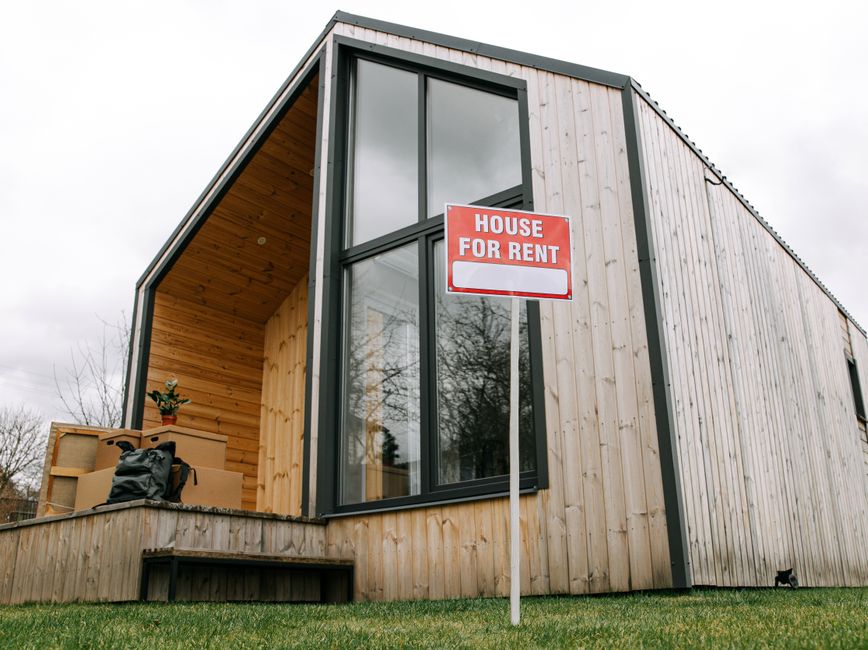
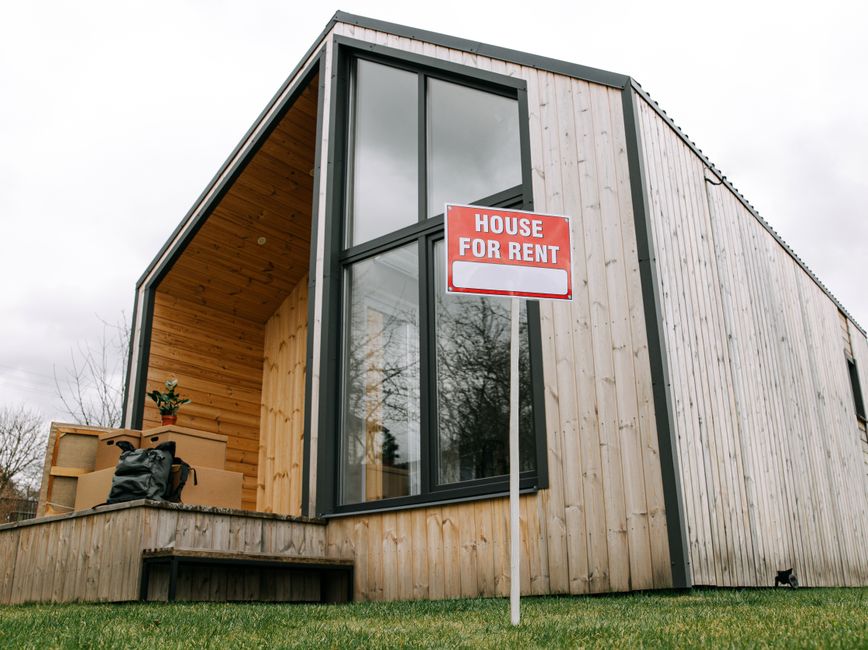
The face of homeownership in Austin is changing. Locals facing record rents and daunting home prices are turning to 'rent-vesting', a strategy that lets them rent in the city's most desirable neighborhoods while investing in property in areas with lower entry costs.
Soaring temperatures aren’t the only challenge confining Austinites to shaded porches this Fourth of July. As the market pushes median single-family home prices in Travis County to $570,000, and median rent for a 2-bedroom within South Congress nears $2,600 a month, many are struggling to balance lifestyle and financial security. This has made affordability not just a talking point, but a daily dilemma for thousands of city dwellers.
How 'Rent-Vesting' Works in Austin
Rent-vesting allows residents to sidestep the central dilemma: do you sacrifice neighborhood amenities to buy, or remain a lifelong renter? The approach: continue renting in bustling downtown corridors or along Barton Springs Road, places where homeownership feels out of reach, while purchasing an investment property in an outer suburb—think Manor, Del Valle, or even rapidly developing pockets off Parmer Lane. By renting out these purchases, buyers can leverage Austin's strong rental market for steady returns, while retaining flexibility and location appeal in their personal lives.
Local brokers say they’re seeing the trend among professionals in tech and education, especially as mortgage rates linger around 6.8%. Austin Board of Realtors (ABoR) data shows a 9% year-over-year increase in investment property purchases in ZIP codes east of Highway 183, compared with a flatlining in higher-price neighborhoods such as Clarksville. According to Zillow, the median list price in Austin proper eclipsed $580,000 this June, but in Pflugerville and Elgin, comparable properties commonly trade hands at $340,000 or less.
Crunching the Numbers
For many, it's math—not just lifestyle—driving the shift. A mid-level professional renting a two-bedroom unit at The Catherine near Lady Bird Lake might shell out $2,800 monthly. To buy in the same area, the monthly outlay for mortgage, taxes, and HOA fees rises past $4,200, assuming a 10% down payment and current market rates. Meanwhile, a $315,000 townhouse in Manor requires roughly $2,000 per month, easily covered by area rental demand.
Rent-vestors can claim investment tax deductions not available on primary residences. But the trade-off: they can’t build equity in their chosen neighborhood, and face landlord obligations remotely. Rising insurance rates—up 13% in Travis County since 2023, according to Texas Department of Insurance—add a new wrinkle. Local real estate adviser substantial numbers of new landlords contacting the Austin Tenants’ Council for guidance on regulatory compliance, hinting at a demographic shift among property owners.
For Austinites weighing their next move, financial planners recommend an honest accounting of their timelines and risk tolerance. Rent-vesting is not without headaches, but for those who want a foothold in the market while enjoying Austin’s urban core, it may offer a middle path. With major developments underway along East Riverside and a new CapMetro Green Line on the horizon, outer neighborhoods could see further growth, making today’s rent-vest bet tomorrow’s nest egg—or, if the market turns, a cautionary tale. For now, the numbers give many locals enough reason to try to have it both ways.