Property
Austin Rents Outpace National Trend as Capital City Housing Gap Widens
Renters in Austin pay far more than regional neighbors, putting homeownership further out of reach for many.
3 min read
Property
Renters in Austin pay far more than regional neighbors, putting homeownership further out of reach for many.
3 min read
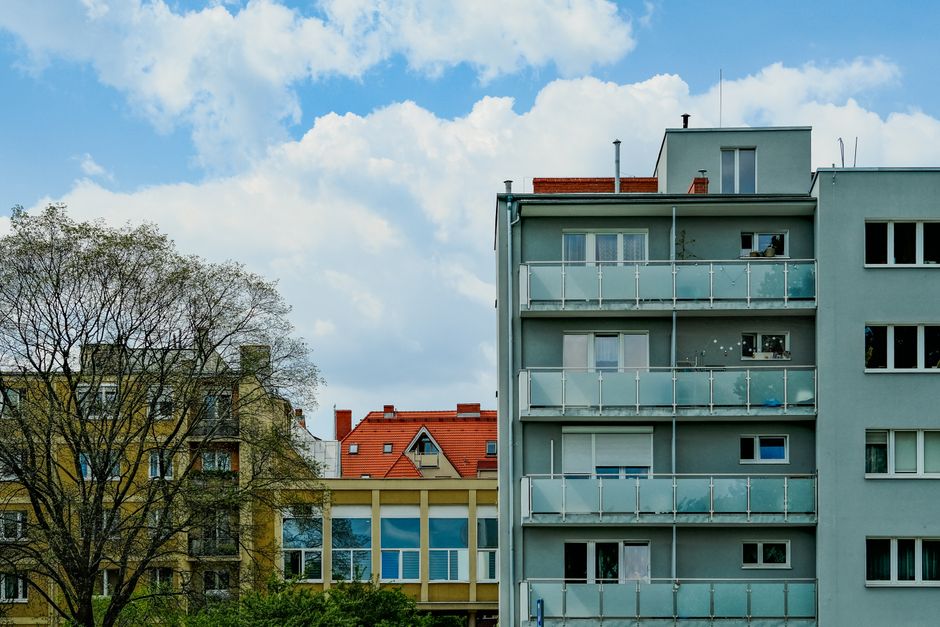
As Austin’s average rent for a one-bedroom apartment crept past $1,800 in June, the affordability gap between Texas’s capital and other regional rental markets has reached its widest point in a decade, according to new figures released by Central Texas Housing Works.
This matters now more than ever. Scorching summer heat has made housing security a front-burner issue, as officials cancelled 4th of July outdoor events across Austin due to persistent triple-digit temperatures. The ability to reliably afford rent or a mortgage, let alone find a cool, safe place to live, has never felt more urgent for city residents.
In neighborhoods like Mueller and South Congress, rental listings have routinely topped $2,200 a month for modest two-bedroom units this summer. Meanwhile, a quick drive north to Round Rock tells a very different story: even newer apartments around Chisholm Trail offer rental rates under $1,500. "We’re seeing more and more renters priced out of the city core and looking to surrounding Hays and Williamson counties for relief," said a senior researcher at Austin Board of Realtors, citing a recent increase in zip code migration data.
Those looking to buy are facing similar headwinds. According to Multiple Listing Service figures, the median home price in central Austin was $581,200 as of June 2026—down slightly since pandemic highs but still more than double the city’s 2015 median. For those saving for a down payment while paying inflated rents, the math is daunting. "Even after Austin ISD launched its Teacher Homebuyer Program in March, only 14 families have qualified, due to the high price of entry and competition from cash buyers," said a spokesperson. The typical mortgage payment on a new sale in Clarksville is now $3,700 per month, a number out of reach for most renters scraping by in nearby Zilker or Travis Heights apartments.
RentCafe’s June rental index shows the average rent for metropolitan Austin at $1,780, starkly higher than regional cities like San Antonio ($1,280) or Waco ($1,110). Yet despite Austin’s high prices, renters aren’t turning into buyers: Redfin data indicates less than 18% of city households purchased a home in 2025, compared to 22% in Dallas or nearly 30% in Houston. Zillow’s house payment vs. rent index also signals Austin’s buyers pay 41% more up front—after taxes and insurance—than if they continued renting in neighborhoods east of Interstate 35.
Housing advocates warn this shift is pushing young families further from transit lines and job centers, increasing commuter traffic on MoPac and I-35. "The market has moved far beyond simply being expensive. It has become fundamentally unaffordable for most working Austinites," said an analyst with Foundation Communities, which operates the Bluebonnet Studios affordable apartments on South Lamar.
For those weighing their options, local agencies recommend adding at least 15% to online rent estimates when budgeting for utilities this season, reflecting rising summer energy surcharges. Homebuying workshops hosted at the Ruiz Branch Library this month are expected to draw record attendance, signaling persistent demand even as prices climb.
With city council committees due to revisit proposed rent control amendments after the holiday break and developers breaking ground on nearly 2,200 new apartments in East Riverside, hopeful renters and aspiring buyers alike should brace for a continued affordability crunch through the rest of 2026.
Property

Property
Property
Property
About this article
Published by The Daily Austin
Spread the word
Daily brief
Free, in your inbox before 7am. Weekdays.
The Daily Network — local news across Australia