Property
How Much Rent Is Too Much? The 30% Rule in Practice in Austin
With Austin rents at historic highs, many locals are questioning whether the old affordability guideline still holds up.
3 min read
Property
With Austin rents at historic highs, many locals are questioning whether the old affordability guideline still holds up.
3 min read
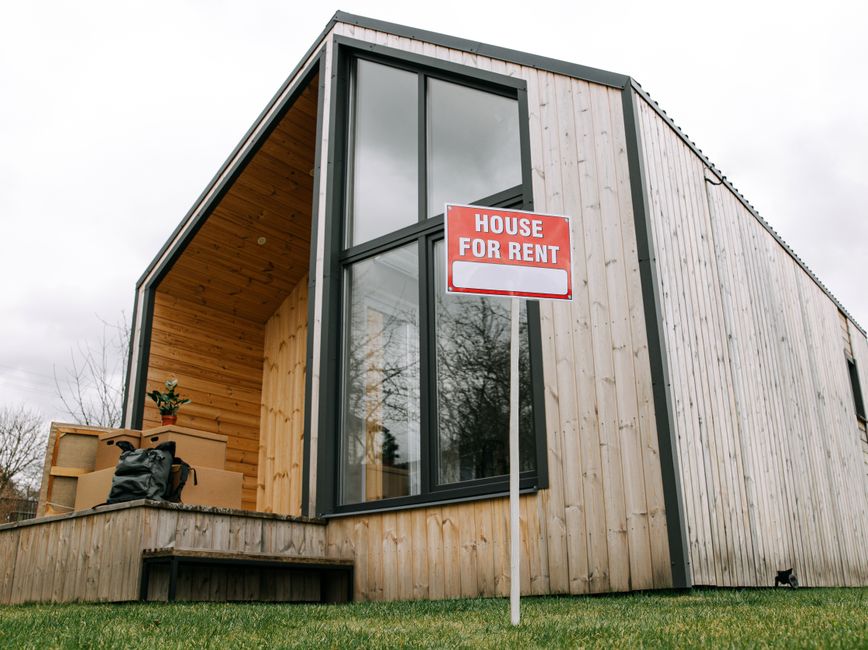
The average rent for a one-bedroom apartment in Central Austin hit $1,740 in June, according to data from ApartmentData.com. That puts Austin renters squarely at the heart of a debate: How much of your income should really go to rent in a city where paychecks struggle to keep up?
This question cuts deep for thousands of Austinites, as mortgage rates climb, wages stagnate, and headlines point to global instability. With markets on edge—Europe reckoning with new climate and war pressures, and supply costs remaining high—analysts say Austin’s cost of living is likely to stay elevated well into 2027. The current crunch means more residents are facing tough realities about how much they can truly afford for housing, whether renting or buying.
The classic advice—spend no more than 30% of pre-tax income on housing—originated in federal housing policy decades ago. In 2026’s Austin, that benchmark feels less like a rule for success and more like a distant dream. Consider the Mueller neighborhood: a two-bedroom unit in one of the area’s newer apartment buildings, such as AMLI, routinely lists for $2,600. That means a household would need $104,000 in annual income just to keep rent at the 30% threshold.
Drive down Riverside Drive and the story remains the same. At The Ballpark North apartments, marketed squarely at students and young professionals, a basic four-bedroom unit rents for $900 per person, meaning even roommates must budget carefully to stay within the limit. For many, the only path to hitting 30% involves longer commutes from Pflugerville or Kyle.
The latest report from the City of Austin’s Housing and Planning Department underscores the dilemma: 54% of renters here are now considered “cost-burdened”—spending more than 30% of income on rent. The median household income for renters is $59,340, while the median rent for a two-bedroom unit citywide clocks in at $1,770. Factor in utility surcharges, and most renters pay closer to $2,000 monthly. Nationally, Austin ranks just outside the top 10 least affordable big cities for renters, behind New York and San Francisco but well ahead of Dallas and Houston.
Local organizations like Foundation Communities, which operates affordable complexes like M Station on MLK Jr. Blvd., report record waitlists in 2026. The Austin Affordable Housing Corporation’s newest development at 13th and Chicon drew more than 3,400 applicants for just 176 units in May.
Until rents cool or incomes climb faster, living by the 30% rule requires sacrifice—or help. Renters can explore the city’s Rental Assistance Program, which still has limited funds for certain zip codes hit hard by inflation. Budget counseling services at LifeWorks East on Pleasant Valley Road can advise tenants on spending triage. For now, Austinites are watching the 30% threshold recede—and scrambling to find creative ways to stay in the city they call home.
Analysts predict rents will moderate slightly in 2027 as new apartment supply comes online in East Austin and near The Domain, but significant relief is unlikely before late next year. Until then, for most local renters, 30 percent isn’t a guideline—it’s a daily juggling act.
About this article
Published by The Daily Austin
Spread the word
Daily brief
Free, in your inbox before 7am. Weekdays.
The Daily Network — local news across Australia