Property
How Much Rent Is Too Much? The 30% Rule in Practice in Austin
As Austin rents climb, the classic 30% rule faces fresh scrutiny from local renters and financial planners.
3 min read
Updated 1 h ago
Property
As Austin rents climb, the classic 30% rule faces fresh scrutiny from local renters and financial planners.
3 min read
Updated 1 h ago
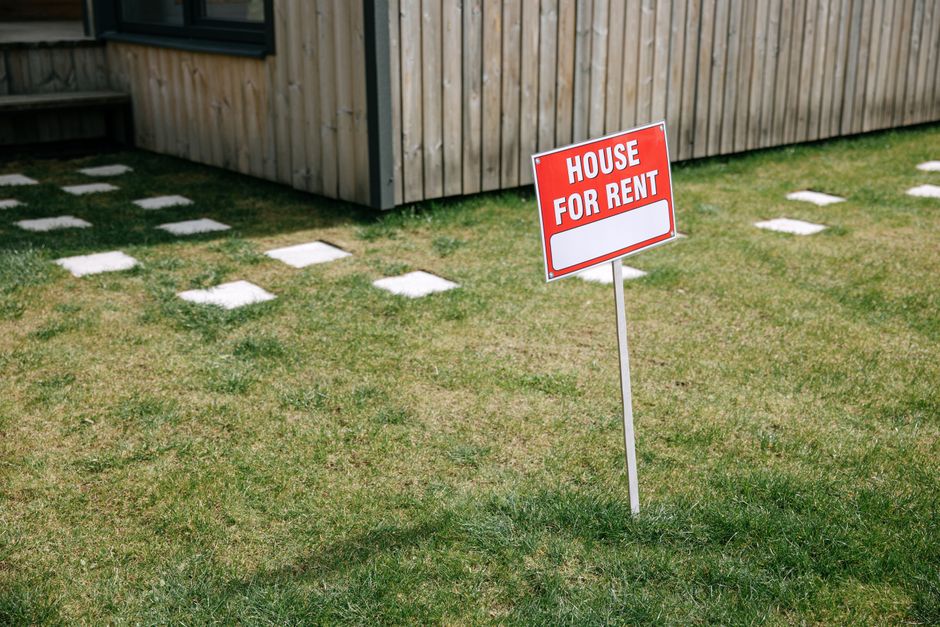
Median rents in Austin have tested the city’s renters this summer, pushing many to spend well beyond the long-standing "30% rule"—the guideline that no more than 30% of gross income should go to housing costs. Across popular neighborhoods like Mueller and South Lamar, tenants are struggling to keep pace as the city’s reputation keeps demand high and supply tight.
The affordability squeeze is peaking now, after a series of steady monthly increases. June data collected by Apartments.com showed the median rent for a one-bedroom in Central Austin hit $1,850, up 7% from last year. With tech layoffs in the region, and a recent slow-down in wage growth, many renters find that maintaining the 30% threshold has become nearly impossible. The debate isn’t just academic—financial planners say breaching the limit can leave residents vulnerable in emergencies or unable to save for a home in the future.
Two major players, the Austin Apartment Association and Foundation Communities, have cited the 30% rule repeatedly in their guidance to renters. But real-world application varies drastically by neighborhood. At The Pearl on South Congress, a new tenant making $60,000 per year would max out at $1,500 per month to stay within the 30% boundary. Yet, one-bedroom units in the building rent for $2,100 and up—forcing tenants to decide between comfort and compliance with the rule.
Over in the East Riverside corridor, a more budget-conscious area, rents are lower but so are median household incomes. Even there, the gap persists. Prospective renters touring the new Lenox Boardwalk complex find that units advertised at $1,650 now push the 30% limit for anyone earning under $66,000. Meanwhile, local housing advocacy groups like HousingWorks Austin are reporting larger numbers of residents spending 35%, 40%—even 50%—on their rent. Some are students, others are service industry workers making ends meet at local staples like Magnolia Cafe or The Domain’s retail shops.
This isn’t just perception. According to the most recent U.S. Census ACS data, an estimated 52% of tenants in Travis County spend more than 30% of their income on rent. That figure rises to 67% for those living alone or in single earner households. Local brokerages report rising demand for efficiency units and roommate shares. Even with city-led relief—like the City of Austin's RENT assistance program, which distributed $32 million since 2020—the 30% affordability guideline is slipping further from reality for all but the highest-earning newcomers.
What does this mean for those house-hunting this summer? Financial counselors at the University Federal Credit Union urge clients to run the numbers carefully and consider alternatives: look for roommate splits in North Loop, target income-restricted properties along Anderson Lane, or participate in lease lottery programs administered by the city. As the Austin City Council debates new incentives for building affordable rental stock later this year, renters will be watching closely. For now, sticking to that 30% ceiling may require trade-offs—location, square footage, or even third jobs—but it’s still the line many local experts point to as the best bet for lasting housing security.
About this article
Published by The Daily Austin
Spread the word
Daily brief
Free, in your inbox before 7am. Weekdays.
The Daily Network — local news across Australia