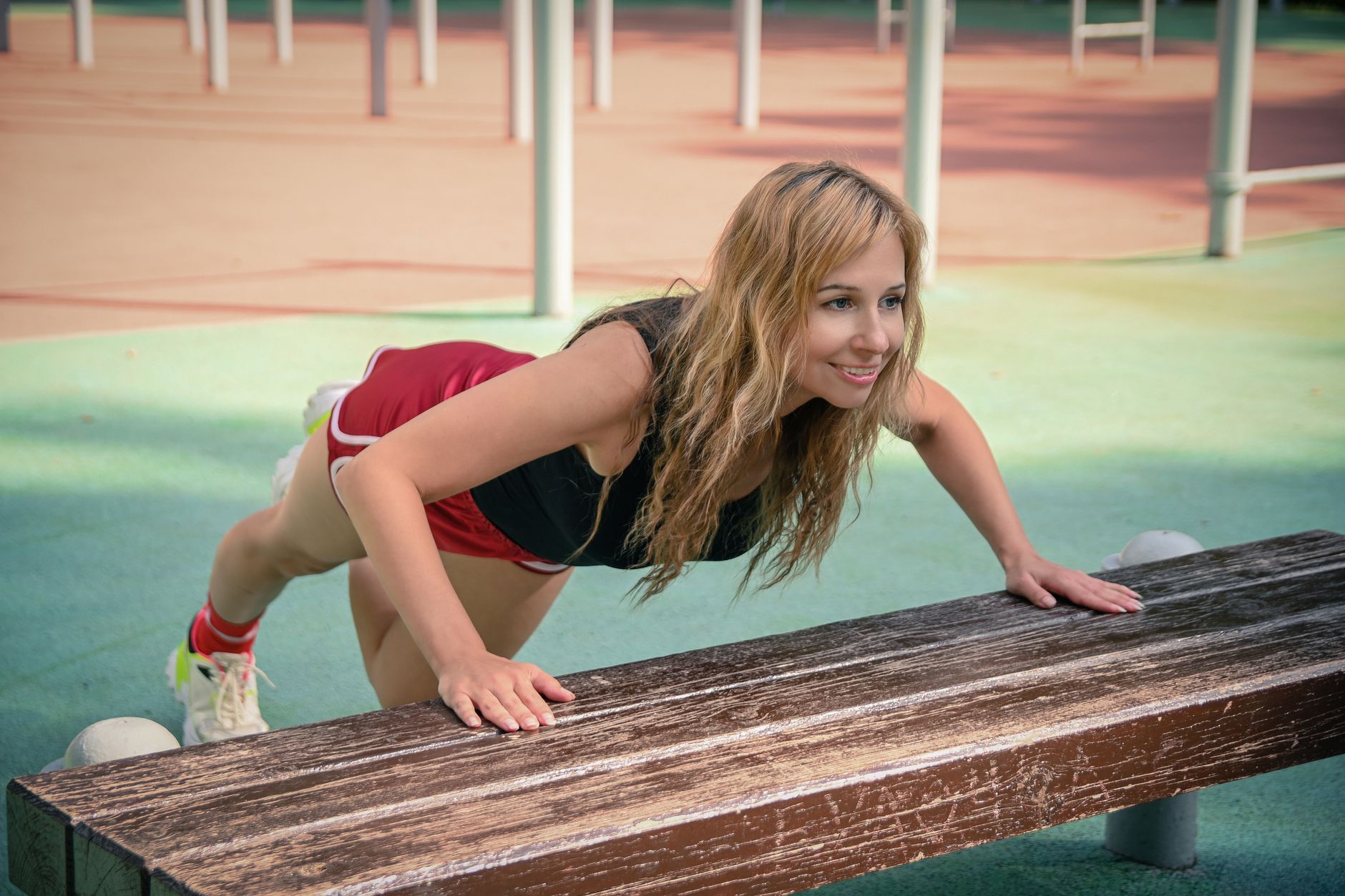
More than 4,000 Austin residents have signed up for group fitness challenges this summer, according to figures from Austin Parks and Recreation, making July 2026 one of the busiest months on record for organized outdoor exercise in the city. The surge cuts across zip codes, age brackets, and fitness levels — and coordinators say the draw isn't the workout itself. It's the crowd.
The timing matters. Housing costs have squeezed disposable income across Travis County, and gym memberships — which averaged $58 a month in Austin as of early 2026 — are among the first things people cut. Free and low-cost community fitness events have filled that gap faster than any private operator could. When money gets tight, people don't stop wanting to feel good. They just look for cheaper ways to do it.
Where Austinites Are Showing Up
Zilker Park remains the undisputed anchor of the city's outdoor fitness scene. Every Saturday at 7 a.m., the Austin Fit bootcamp series draws between 80 and 150 participants to the park's open lawn near Barton Springs Road, with coaches rotating through strength circuits, sprints, and partner drills. Entry is $10 a session, or free for first-timers. The program has run continuously since 2019 and added two new weekday sessions this spring to handle demand.
A few miles north, the South Congress Avenue corridor has become home to one of the city's fastest-growing run clubs. The Keep Austin Running collective — based out of the Fleet Feet store at 1114 S. Congress Ave. — hosts Tuesday-evening group runs that now regularly attract 200-plus participants. Distances range from a 3-mile social loop to a 10-mile training run, and the group posts monthly mileage challenges on a shared leaderboard that participants track through the club's app. The July challenge is 100 miles in 31 days. About 340 people have registered so far.
The Mueller neighborhood, built on the old Robert Mueller Municipal Airport site, has developed its own micro-ecosystem of fitness challenges. The Mueller Farmers Market hosts a monthly "Market Mile" fun run the first Sunday of each month, and the Thinkery community plaza stages free yoga and HIIT sessions every Wednesday evening through Labor Day. Both are open to all ages and gear levels.
What the Research Actually Says
Group exercise isn't just more social — it produces measurably better outcomes than solo training. A 2017 study published in the Journal of the American Osteopathic Association found that people who exercised in groups reported a 26 percent improvement in mental quality of life compared to those who worked out alone, alongside a 24 percent reduction in perceived stress. Those numbers have driven fitness program designers to deliberately engineer challenge formats around collective accountability rather than individual performance metrics.
Austin's own data supports the trend. City-run recreation centers — including the Northwest Recreation Center on Shoal Creek Boulevard and the Dittmar Recreation Center on Davis Lane — reported a combined 18 percent increase in group class enrollment between January and June 2026 compared to the same period last year. Drop-in group fitness classes at those facilities run $4 for residents.
The challenge format specifically — where participants track progress against a shared goal rather than competing head-to-head — has proven stickier than traditional class structures. Completion rates for the city's annual Summer Fitness Challenge, which launched June 1 and runs through August 31, sit at 61 percent at the halfway mark, up from 48 percent at the same point in 2025.
If you want to plug in, the Austin Parks and Recreation Department maintains an online event calendar at austintexas.gov with real-time registration for city-sponsored challenges. The Keep Austin Running club accepts new members every Tuesday with no registration required — just show up at Fleet Feet by 6:30 p.m. For those who want structured accountability without a financial commitment, the Barton Creek Greenbelt hosts informal weekend fitness meetups organized through the Austin Fitness Collective Facebook group, which now has 11,000 members. As always, anyone starting a new fitness program should check in with a local physician or sports medicine provider before ramping up intensity.