Wellness
Yoga Styles Explained: Which One Suits Your Lifestyle
From sweaty hot rooms on South Congress to quiet yin sessions in the Hill Country, Austin's yoga scene has exploded — here's how to find your fit.
4 min read
Wellness
From sweaty hot rooms on South Congress to quiet yin sessions in the Hill Country, Austin's yoga scene has exploded — here's how to find your fit.
4 min read
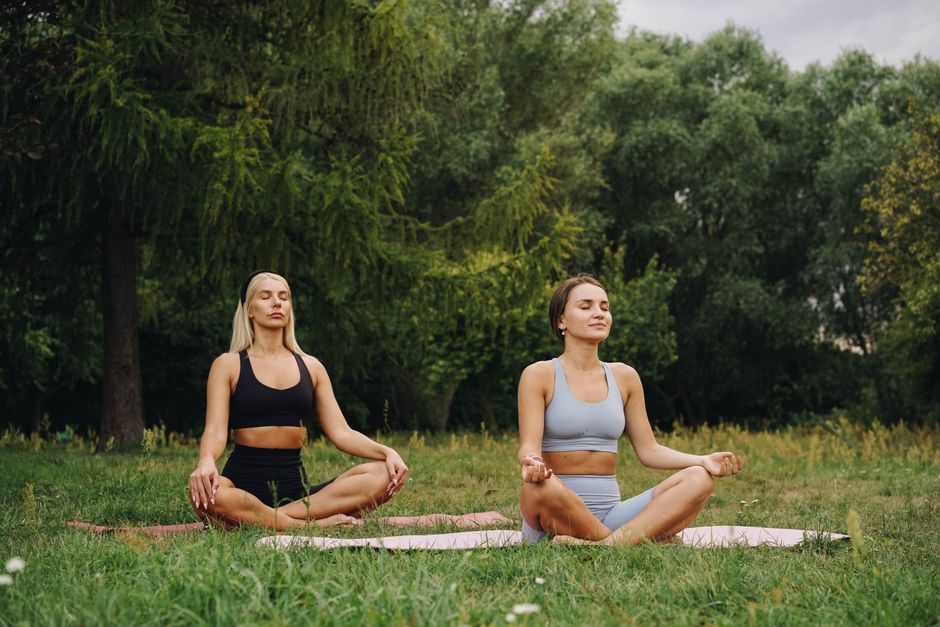
Austin added more yoga studios per capita than any other Texas city between 2022 and 2025, according to data tracked by the Yoga Alliance, the national credentialing body that now counts over 100 registered studios and independent teachers operating within Travis County. That number matters because it means newcomers face a genuinely bewildering menu of options before they ever unroll a mat.
The expansion tracks directly with a broader shift in how Austinites are thinking about stress and recovery. After years of high-intensity gym culture dominating the wellness conversation — think the CrossFit boxes that line Burnet Road — more people are looking for practices that address anxiety and sleep quality alongside physical fitness. Hormone health coverage has surged in health media this summer, and practitioners here say they're seeing clients arrive specifically asking whether yoga can help regulate cortisol and support better sleep. The short answer: it depends entirely on which style you choose.
Hatha is the baseline. Classes move slowly through standing and seated postures with long holds, making it the most accessible entry point for beginners or anyone returning after injury. Black Swan Yoga, which operates studios on South Lamar Boulevard and near the Domain in North Austin, built much of its original reputation on donation-based Hatha classes, keeping drop-in rates as low as $10 or pay-what-you-can on certain sessions.
Vinyasa cranks up the intensity. Postures flow together in sequences tied to breath, and a 60-minute class can burn anywhere from 400 to 600 calories depending on pace and room temperature. Practice Yoga Austin, located on West 6th Street, runs structured Vinyasa tracks that progressively build strength over an eight-week cycle — a format that suits the half-marathon training crowd that floods Zilker Park every autumn.
Hot yoga — most commonly Bikram's 26-posture sequence or the looser CorePower format — is practiced in rooms heated to between 95 and 105 degrees Fahrenheit. CorePower Yoga has three Austin locations, including one on South Congress Avenue a few blocks north of the Ann and Roy Butler Hike-and-Bike Trail. The heat demands serious hydration, and instructors routinely remind students to eat lightly for at least two hours beforehand. It's not suitable for people with certain cardiovascular conditions; anyone uncertain should check with a doctor before their first session.
Yin yoga sits at the opposite end of the spectrum. Poses are held for three to five minutes, targeting the connective tissue and fascia rather than muscle. Studios like Wanderlust Austin, which has hosted programming at the Long Center for the Performing Arts, regularly schedule late-evening Yin classes specifically marketed as sleep preparation. Research published in the journal Complementary Therapies in Medicine in 2024 found that an eight-week Yin yoga program reduced self-reported insomnia scores by 28 percent among participants aged 30 to 55.
Ashtanga is the most demanding of the traditional systems — a fixed sequence of postures practiced six days a week in its classical form. It builds extraordinary strength and flexibility but carries a steeper learning curve. The Austin Ashtanga Collective, a teacher-led community group that meets in Bouldin Creek, offers Mysore-style open practice on Tuesday and Thursday mornings, where students work through their individual sequence with one-on-one guidance rather than following a teacher-led class.
Most Austin studios offer a first-month introductory deal. CorePower's new-student special runs $40 for the first 30 days of unlimited classes as of this summer. Black Swan's donation model means a genuinely low-risk trial. Practice Yoga Austin sells a three-class intro pass for $30.
The honest framework: if your primary goal is stress reduction and better sleep, start with Yin or Hatha two to three times per week. If you want cardiovascular conditioning alongside flexibility, Vinyasa or Hot yoga will deliver it. If you're drawn to a discipline with a clear progression structure, Ashtanga rewards long-term commitment in a way the drop-in formats don't.
One practical move before spending anything: most studios post full class schedules and teacher bios on their websites, and the difference between a mediocre instructor and a skilled one matters far more in yoga than in many other fitness formats. Read the bios, watch any available intro videos, and if possible, call the studio and ask which teacher they'd recommend for a specific goal. Austin's yoga community is generally forthcoming with that kind of honest guidance — and a single well-matched class is worth more than a month of the wrong style.
Wellness

Wellness
Wellness

Wellness
About this article
Published by The Daily Austin
Spread the word
Daily brief
Free, in your inbox before 7am. Weekdays.
The Daily Network — local news across Australia