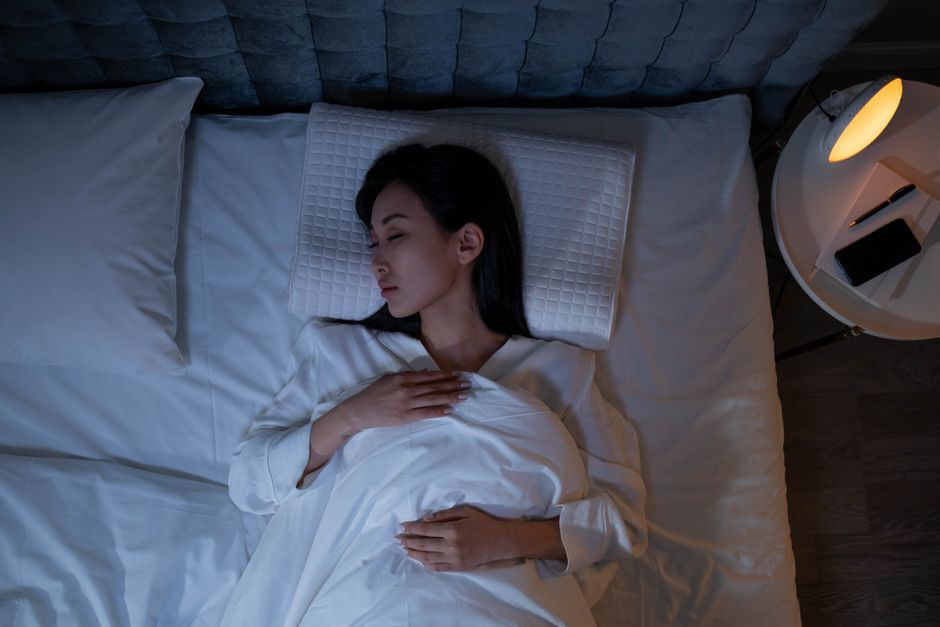
The average Austin adult is sleeping 6.4 hours a night. The CDC recommends seven or more. That gap — nearly an hour of lost rest every single night — compounds across weeks into something researchers at the University of Texas Dell Medical School have linked to elevated cortisol, impaired glucose regulation, and diminished cognitive performance. The bedroom, sleep specialists argue, is where the fix starts.
It matters more right now because July in Austin is brutal. Triple-digit temperatures push indoor thermostats up, screens multiply in every room, and the summer social calendar — live music on Red River Street, late dinners in the East Sixth corridor — keeps residents up well past midnight. The hormonal picture complicates things further: there's been a surge of public interest in 2026 in how melatonin, cortisol, and other hormones interact with sleep architecture, and local wellness providers say their clients are showing up with more questions than ever before. The short answer, according to sleep hygiene research, is that hormones don't operate in isolation — environment shapes them.
What the Checklist Actually Covers
Sleep specialists typically organize a bedroom audit into four categories: temperature, light, sound, and clutter. On temperature, the research is fairly settled. The National Sleep Foundation has consistently cited 65 to 68 degrees Fahrenheit as the optimal range for sleep onset. In Austin, where overnight lows in July rarely drop below 78 degrees, that means air conditioning is doing real work — and a programmable thermostat that drops the bedroom to 67 degrees by 9 p.m. is not a luxury. It's infrastructure.
Light is the second variable. Blackout curtains have become a staple recommendation from practitioners at Austin's own People's Community Clinic on North IH-35, which runs a wellness navigation program that touches on sleep as a chronic disease risk factor. The problem isn't just streetlights — it's the blue-spectrum glow from phones and televisions. Blue light suppresses melatonin production for up to three hours after exposure. A $30 pair of amber-tinted glasses worn after 9 p.m. or a strict phone-out-of-bedroom rule accomplishes the same thing without any supplement.
Sound is trickier downtown. Residents in the Rainey Street Historic District and along South Lamar report that urban noise remains one of their top sleep complaints in neighborhood surveys. White noise machines — the Marpac Dohm Classic retails for around $44 at local retailers — have seen a sales uptick this year. Austin-based sleep coaching service RestWell ATX, which operates out of the Triangle neighborhood near 46th Street, reported a 30 percent increase in new client inquiries in the first quarter of 2026, with noise cited as a factor in more than half of intake assessments.
Clutter, Screens, and the Psychology of the Space
Clutter is the variable people underestimate. A 2015 study published in Sleep journal found that individuals who described their bedrooms as cluttered had measurably greater difficulty falling asleep than those who described their rooms as restful. The psychology is straightforward: visual complexity triggers task-oriented thinking. A pile of laundry near the closet door is an unfinished item list. The bedroom has to read as finished.
Screens are the final piece. The recommendation from the American Academy of Sleep Medicine — no screens in the bedroom — is widely ignored. But a softer version has emerged in clinical practice: if the television stays, it must be on a timer. If the phone stays, it must be face-down and silenced by 10 p.m. Several wellness practitioners in the Hyde Park neighborhood have started framing this as a digital wind-down protocol rather than a prohibition, which tends to get better patient compliance.
For Austin residents wanting to start somewhere concrete, the checklist looks like this: drop the thermostat to 67 degrees before bed, install blackout curtains (IKEA on Research Boulevard carries the Gunnlaug panel for $19.99), add a white noise machine or fan, clear surfaces of work materials, and establish a 30-minute no-screen window before lights out. Anyone dealing with chronic sleep issues — persistent insomnia, suspected sleep apnea, or significant daytime fatigue — should consult a local physician or visit UT Health Austin's Comprehensive Sleep Center on Trinity Street before making any significant changes to medications or supplements.