Property
How Much Rent Is Too Much? The 30% Rule in Practice in Austin
As rents hit new highs in Central Austin, the classic '30% rule' is under pressure—and many renters are feeling the squeeze.
3 min read
Updated 2 h ago
Property
As rents hit new highs in Central Austin, the classic '30% rule' is under pressure—and many renters are feeling the squeeze.
3 min read
Updated 2 h ago
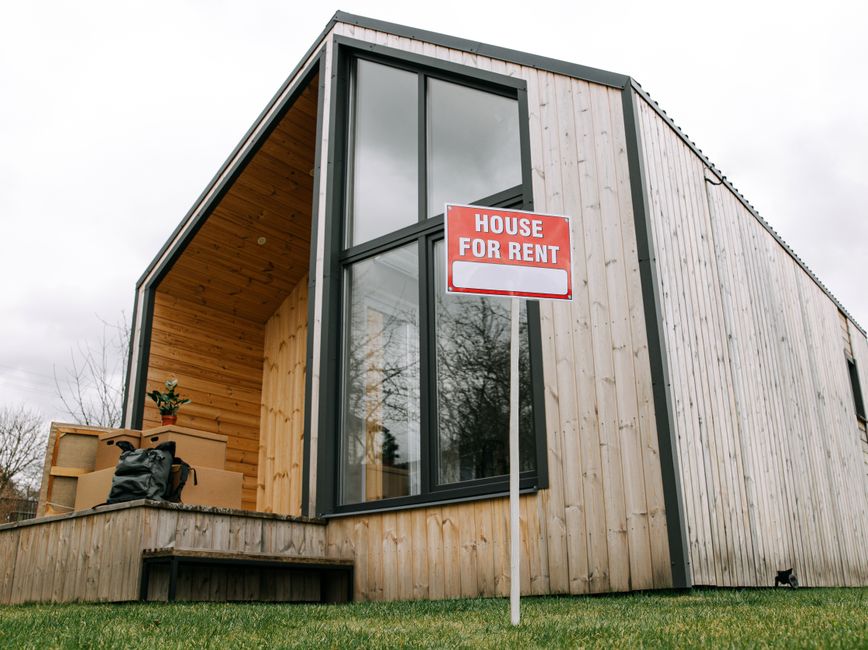
This summer, Austin’s median rent for a one-bedroom apartment hit $1,709, pushing thousands of renters to spend well above the long-recommended 30% of their monthly income—sometimes by a wide margin.
The age-old rule of thumb that you shouldn’t spend more than 30% of your gross income on rent is facing a stress test in the Texas capital. With homeownership becoming increasingly out of reach amid high prices and elevated interest rates, more Austinites are staying in the rental market, fueling demand and driving up prices in neighborhoods from South Congress to the East Side.
Nowhere is this squeeze more visible than along East Riverside Drive, where new luxury apartments from developers such as Greystar and Presidium have replaced older, more affordable stock. At the mixed-use complex Citizen House Decker, monthly rents for a studio start at $1,450 — a figure that would require at least a $58,000 annual income to stay under the 30% mark. According to data from the Austin Board of Realtors, the city’s median household income is about $83,800. Yet the Austin Apartment Association reports that more than 42% of local renters now pay over 35% of their income in rent.
Meanwhile, homebuyers aren't finding much relief. The median sale price for a home in Travis County is $529,000 as of June, with mortgage rates hovering around 6.7%. Last month, buyers along Lamar Boulevard faced monthly payments of more than $3,400 after taxes and insurance—well above what many middle-income households can afford.
The origins of the 30% benchmark trace back to federal housing policy in the 1980s, but modern Austin’s realities complicate that math. Many local renters stretch their budgets, especially in high-demand zip codes like 78704 and 78702, to remain close to employers downtown or access amenities like the hike-and-bike trail at Lady Bird Lake. "It isn’t just about rent," says housing advocate Jose Alvarez with HousingWorks Austin, referencing the additional cost of transportation and childcare for those commuting from more affordable suburbs like Pflugerville or Manor.
Some landlords, including those working with the Affordable Central Texas program, use more flexible guidelines, examining a tenant’s full financial picture—debts, dependents and other expenses—when setting rent minimums. But most major property managers in Austin still use a fixed income-to-rent ratio for lease approvals.
The real impact is felt most acutely by young professionals and service workers. At the bustling Saltillo District, average rents for new two-bedroom units have leaped to $2,500, forcing roommates or couples to pool resources just to secure a lease. Older renters on fixed incomes—many living in longtime apartment communities off Burnet Road—struggle to keep pace with year-over-year rent hikes, sometimes upwards of 6%.
For Austin renters facing renewal letters this month, experts urge a clear-eyed review of both budget and lifestyle. Local nonprofits like Foundation Communities provide free housing counseling and help qualified families access rent support programs. Some renters are reevaluating priorities: considering co-living, moving farther out, or looking for employment with stronger income growth.
Financial planners generally recommend tracking not just rent but all housing-related expenses—including utilities, parking, and insurance—before signing a new lease. City officials, meanwhile, say the path to more affordable housing lies in encouraging new construction, particularly in key transit corridors such as South Lamar and North Loop. For now, as the median rent edges upward again this July, many residents find themselves recalibrating what "affordability" really means—and how far they’re willing to stretch beyond that 30% line.
Property
Property

Property
Property
About this article
Published by The Daily Austin
Spread the word
Daily brief
Free, in your inbox before 7am. Weekdays.
The Daily Network — local news across Australia