Property
The Rent-Vesting Strategy Explained for the Austin Market
With Austin rents soaring and home prices still climbing, some locals are buying in cheaper areas while renting in their preferred neighborhoods.
3 min read
Updated 45 min ago
Property
With Austin rents soaring and home prices still climbing, some locals are buying in cheaper areas while renting in their preferred neighborhoods.
3 min read
Updated 45 min ago
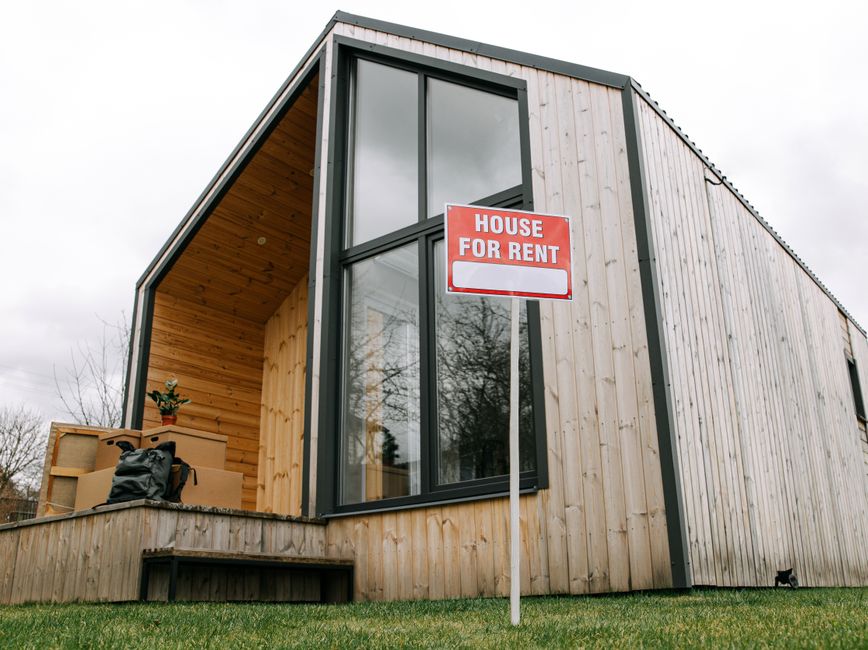
More Austinites are turning to “rent-vesting”—renting where they want to live while buying investment properties elsewhere—as monthly rents and home prices in central neighborhoods hit new highs in 2026.
The urgency is real. Median rents in key areas like Zilker and Old West Austin now top $2,700 for a one-bedroom, according to data from the Austin Board of Realtors. Meanwhile, the median sale price for homes citywide broke $545,000 in June, after a surge in out-of-state investment and continued tech-sector growth. In this climate, first-timers especially are finding themselves squeezed out of both ownership and lifestyle—unless they get creative.
Rent-vesting is gaining traction as more residents weigh trade-offs between lifestyle and equity. Rather than taking on large mortgages for homes far outside the city’s core, some are choosing to rent in neighborhoods like Travis Heights, close to favorite music venues and Barton Creek Greenbelt trails, while purchasing investment condos or single-family homes in more affordable pockets, such as Manor or the Saint John-Coronado Hills area north of Highway 290.
Jana Mendez, a housing analyst at the Urban Land Institute’s Austin office, says she’s seen uptick in clients leveraging local programs. “Several young professionals are using the City of Austin’s Down Payment Assistance Program for investment purchases,” she confirmed. “They want to build wealth but refuse to compromise on where they live day-to-day.”
Rising mortgage rates—currently averaging 6.6% for a 30-year fixed loan, up from 5% two years ago—have pushed the monthly payment on a median-priced Austin home well north of $3,800 with taxes and insurance. In contrast, rents in Far South Austin neighborhoods like Southpark Meadows average about $1,950 for a two-bedroom, making renting far more affordable near the city core.
Rent-vesting offers a possible solution, but it isn’t risk-free. According to Redfin’s latest analysis, rental yields in certain East Austin zip codes (like 78721) hit a decade-high 7.2% in the first half of 2026, compared to the citywide average of 5.5%. Wages for tech and healthcare remain strong, but property management, vacancies, and potential price stagnation are real considerations for newcomers to the strategy.
Would-be rent-vestors should take stock of the city’s targeted homebuyer seminars offered monthly by the Austin Board of Realtors at their Central Austin campus on Shoal Creek Boulevard. Many local lenders are now rolling out specialized loan products for investment purchases with as little as 10% down, especially in up-and-coming areas near the planned rail expansions east of Plaza Saltillo.
Experts warn the window for the most attractive investment deals may close if rents level off or price growth stalls. Still, for those eager to retain an urban lifestyle while gaining a financial foothold, rent-vesting is increasingly viewed as a smart hybrid. As market volatility continues, expect more Austin residents to weigh this unconventional path to both downtown access and long-term equity.
About this article
Published by The Daily Austin
Spread the word
Daily brief
Free, in your inbox before 7am. Weekdays.
The Daily Network — local news across Australia